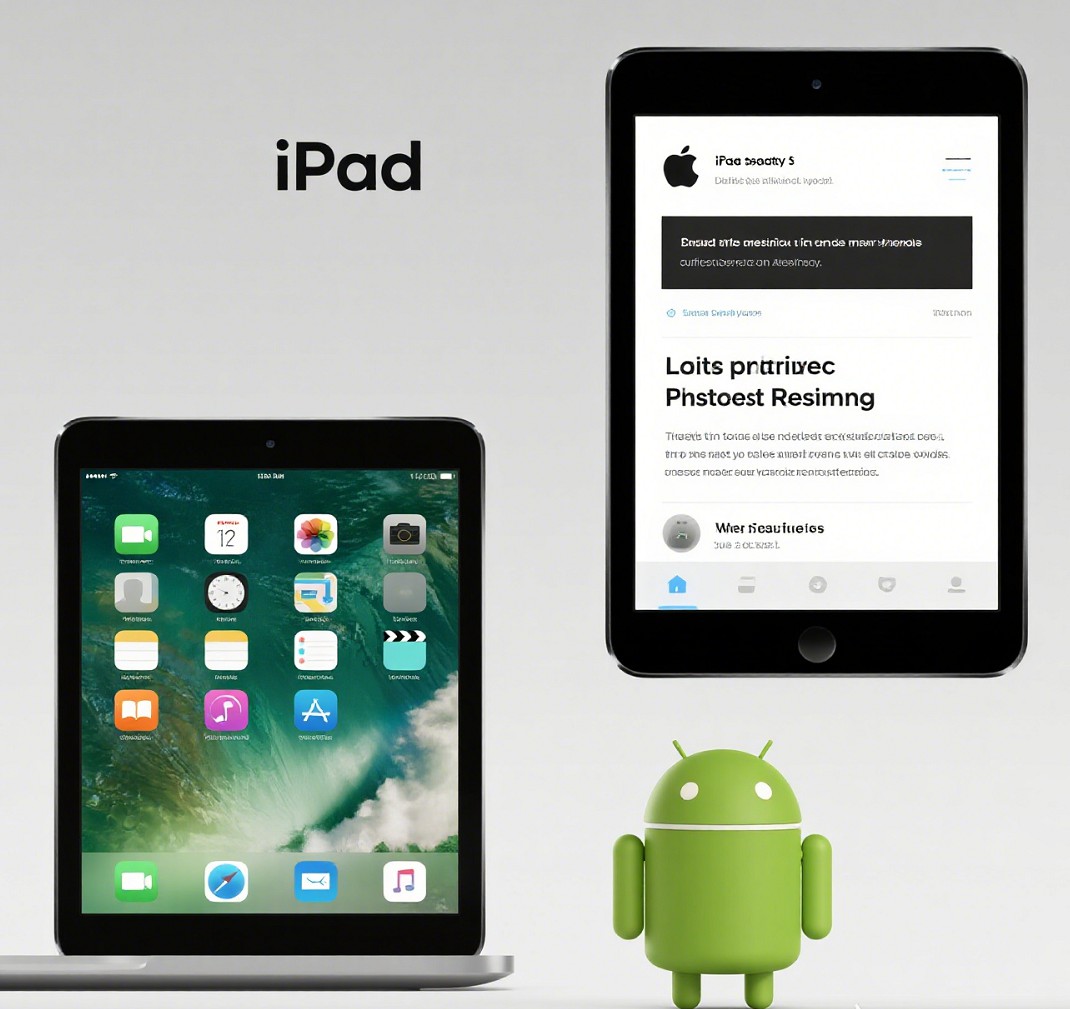
Tablets have become essential tools for work, study, entertainment, and creativity. But when you're ready to buy, one question always arises: Should you choose an iPad or an Android tablet?
While it might seem like a simple question of Apple vs Android preference, the decision involves much more—operating system comfort, essential app availability, hardware performance for your needs, budget, and primary use cases. Each factor can impact your experience for years to come.
As someone who's tested tablets from entry-level to flagship models, I've learned what matters most. Let's look beyond the brand hype and compare how iPads and Android tablets actually perform in real scenarios, helping you find the tablet that truly delivers satisfaction and value.
1. Understanding the Fundamental Difference Between iPad and Android Tablets
To make an informed choice, you first need to understand that Apple and Android manufacturers have fundamentally different approaches to tablets.
iPad
Apple positions the iPad not as an oversized iPhone or simplified Mac, but as a unique creative and productivity tool. From the first iPad, Apple has built a tightly integrated hardware-software ecosystem. This closed approach ensures consistent, smooth user experiences but limits customization and choice.

Android Tablets
Android tablets reflect the open nature of the Android system, with manufacturers creating distinct products based on their market understanding. Samsung focuses on business productivity, Xiaomi on value, and Lenovo on entertainment. This diversity means more choices, but also inconsistent software updates and app optimization.
2. Operating System and App Ecosystem Comparison
iPadOS
Since becoming independent from iOS, iPadOS has evolved into a truly tablet-specific operating system with distinct advantages:
- Rich optimized apps: The App Store offers numerous apps specifically designed for iPad's larger screen, particularly in creative design and video editing
- Long update support: iPads typically receive 5-6 years of system updates, ensuring long-term security
- Mature multitasking: Features like Stage Manager, Slide Over, and Split View have been refined over years of development
- Apple ecosystem integration: Seamless collaboration with iPhone, Mac, and Apple Watch is unmatched
Android System
Android tablets excel in different areas:
- High customization: Users can personalize everything from home screen layout to system functions
- Flexible file management: A computer-like file system allows direct access and transfer of various file types
- Innovative multitasking: Some manufacturers offer creative multi-window implementations
- Google service integration: Ideal for users deeply invested in Google's ecosystem
3. Hardware Performance and Price Range
iPad: Leading Performance, Premium Pricing
Apple's A-series and M-series chips consistently lead in mobile processing. Even entry-level iPads handle most apps and games smoothly, with clear product segmentation:
- iPad Pro: M-series chips for professional creators (highest price)
- iPad Air: Balanced performance and price (mid-high range)
- iPad mini: Portable entertainment and reading
- Standard iPad: Value option for education and daily use
Android Tablets: Better Value, More Choices
The Android market offers wider price options:
- Flagship models: Like Samsung's Tab S series, competing with iPad Pro at lower prices
- Mid-range: Xiaomi and Lenovo offer capable performance at accessible prices
- Budget options: Fierce competition in the entry-level segment
Some Android manufacturers are more adventurous with hardware innovations like foldable displays and 5G support.
4. Accessories and Practicality Comparison
Apple Pencil & Magic Keyboard
iPad's accessory ecosystem is a significant advantage. The Apple Pencil (particularly second generation) leads in responsiveness and pressure sensitivity, making it the top choice for artists and designers using apps like Procreate. The Magic Keyboard's trackpad gestures and typing experience are widely praised.
Android Styluses & Keyboards
Samsung's S Pen has nearly closed the gap with Apple Pencil, with other manufacturers quickly improving. However, third-party app support and refinement still trail the iPad ecosystem. External keyboard options are diverse but inconsistent in quality.
5. iPad vs Android Tablet: Which Should You Choose?
Creative & Professional Work: iPad Leads
If you're a professional creator involved in drawing, video editing, or music production, iPad Pro with specialized apps remains the more reliable choice. Applications like Procreate, LumaFusion, and the Affinity suite are unmatched on mobile.
Business & Document Work: Different Strengths
Both platforms serve business users well:
- iPad excels with iWork or Office 365 for mobile office tasks
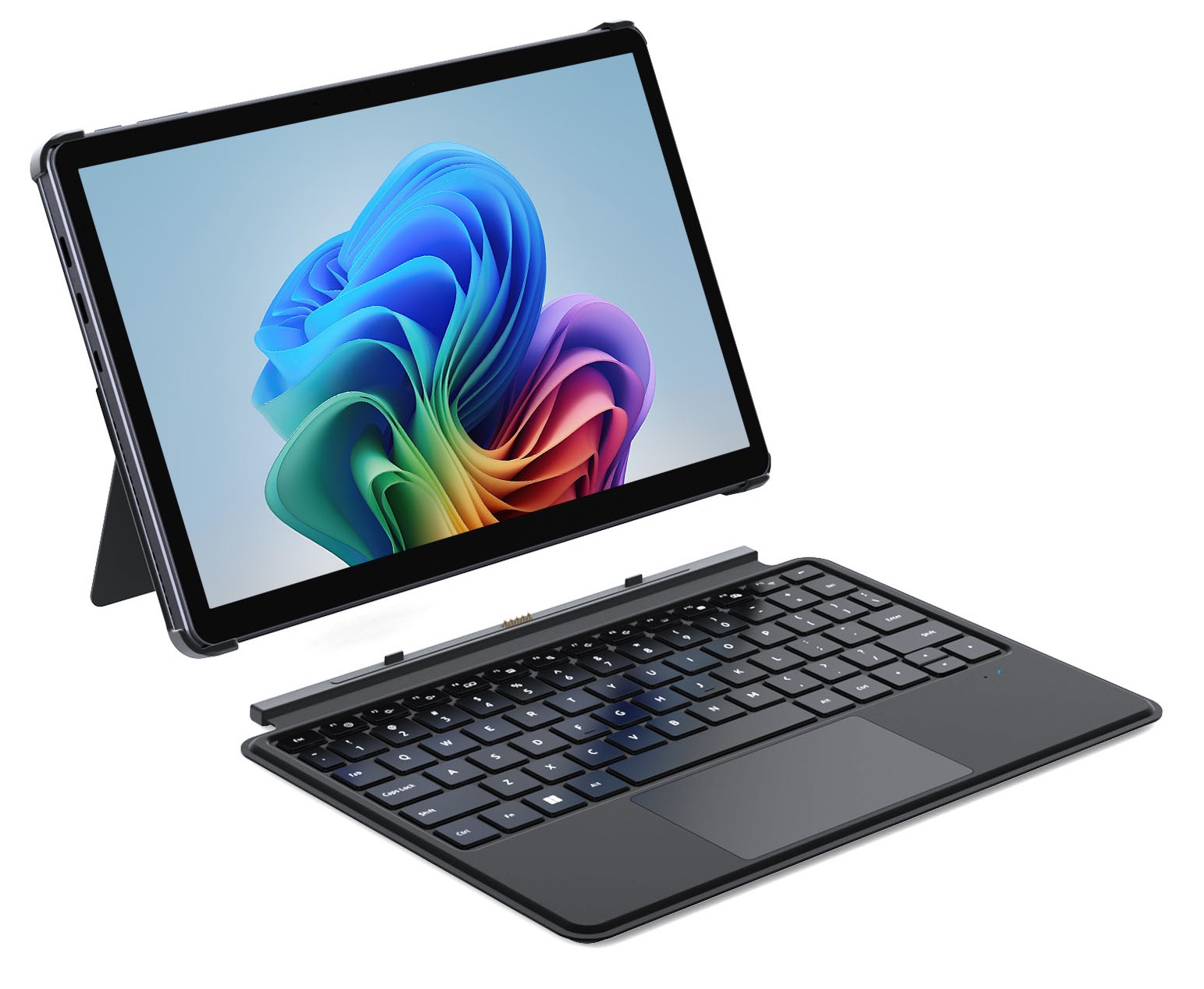
- Some Android tablets offer desktop modes that transform the tablet into a 'computer,' with excellent external display support
Entertainment & Daily Use: Android Offers Better Value
If you primarily watch videos, game, or read, mid-to-high-end Android tablets often provide larger, comparable quality screens at lower prices, with more flexible file management and content access.
Education & Students: Budget Determines Choice
- Ample budget: iPad + Apple Pencil is the ultimate note-taking and learning tool
- Limited budget: Budget Android tablets sufficiently handle online courses and basic learning needs
6. Durability and Resale Value Considerations
iPad: Apple products are renowned for durability and high resale value. An iPad typically remains smooth after 3-4 years of use and sells more easily in the secondhand market. Long-term system updates ensure ongoing security.
Android Tablets: Flagship models from Samsung, Huawei, and Xiaomi have significantly improved in quality and durability, though entry-level products may have shorter lifespans. System updates typically last 2-3 years, with lower resale value.
7. Final Buying Recommendations
After comprehensive comparison, here's our guidance:
Choose iPad if you:
- Want the smoothest experience with long-term system support
- Need professional-level creative capabilities
- Already own other Apple devices for ecosystem integration
- Value high resale value
- Have sufficient budget
Choose Android Tablet if you:
Want better value for money
- Need a larger screen on a limited budget
- Prefer Android's customization freedom
- Primarily use for entertainment and daily tasks
- Want hardware innovations like foldable displays or 5G
Ultimately, let your specific needs guide your decision:
- Artists and professionals with ample budgets: iPad Pro remains the safest choice
- Students and budget-conscious users: Mid-range Android tablets offer better value
- Those deeply invested in an ecosystem: Stick with the same brand for optimal experience
- Those wanting maximum customization and entertainment: Android's diverse options won't disappoint
Both iPad and Android tablets continue evolving—learning from each other and optimizing their strengths. There's no definitive 'better' choice, only the right tablet for you.