
Get in Touch
Your Trusted Manufacturer of Laptops & Tablets
WhatsApp Us Directly
+86 13923410269
Email Us
Get in Touch
Your Trusted Manufacturer of Laptops & Tablets

The vast majority of laptops from brands like Lenovo, HP, and Dell are not actually produced by those brands themselves. Behind them stand a group of professional OEMs (Original Equipment Manufacturers) – companies with massive factories, thousands of engineers, and tens of millions of units in annual capacity, yet they rarely appear in the consumer spotlight. In 2025, global laptop shipments reached approximately 220 million units, with over 85% produced by the top ten OEMs. From ultrabooks to gaming laptops, education notebooks to rugged devices, their technical expertise and production footprints directly determine the competitiveness of brand owners.
Based on 2025 shipment volumes, R&D investment, green manufacturing certifications, and key client partnerships, this list presents the top ten laptop OEM manufacturers (in no particular order), along with their technical strengths and regional capacity distribution – offering a reference for brands, channel partners, and industry observers.
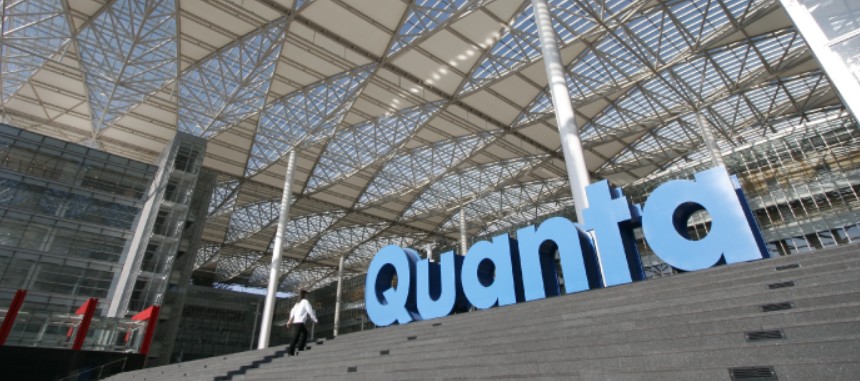
R&D Highlights: Quanta is the main manufacturer for Apple’s MacBook Air/Pro. It pioneered liquid cooling and high‑density motherboard designs. R&D spending exceeded $800 million in 2025. It operates the world’s largest single laptop production base (Songjiang, Shanghai).
Green Manufacturing: Recognized as a national‑level green factory; over 90% of products have carbon footprint certification.
Quanta’s position in high‑end ultrabooks is almost unshakable – the thin profile and high integration of the MacBook series showcase its precision manufacturing capabilities.
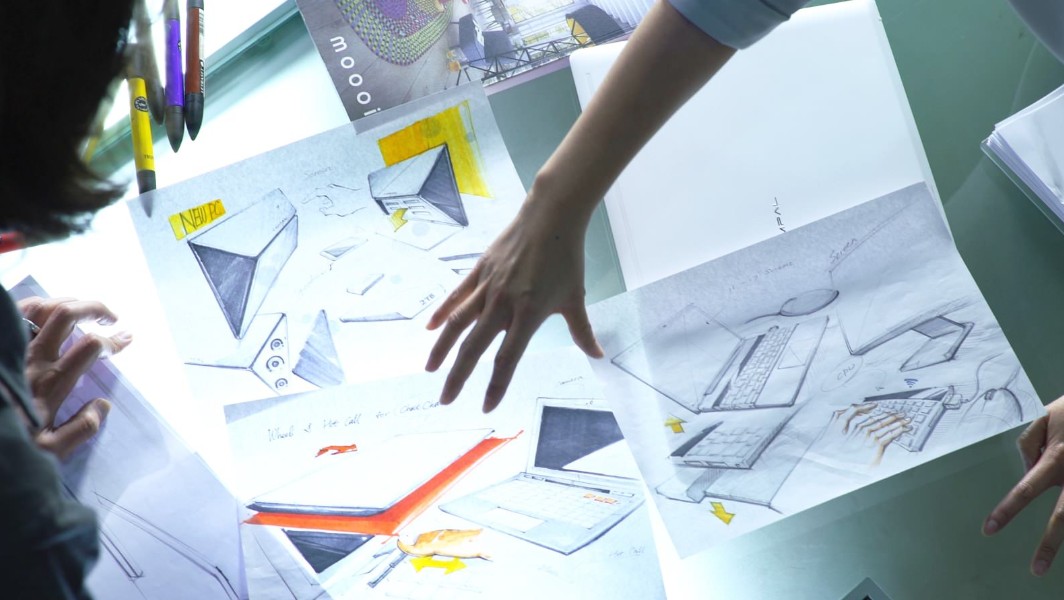
R&D Highlights: The world’s second‑largest notebook ODM. Compal has extensive experience in gaming thermal modules and RGB keyboard integration. Recently it has invested heavily in AI PCs, collaborating with AMD on Ryzen AI platform laptops.
Green Manufacturing: Committed to carbon neutrality by 2030; its Kunshan plant already uses 100% renewable electricity.
Compal’s commercial notebooks are known for stability, and its e‑sports sub‑brand designs have been adopted by multiple brands.
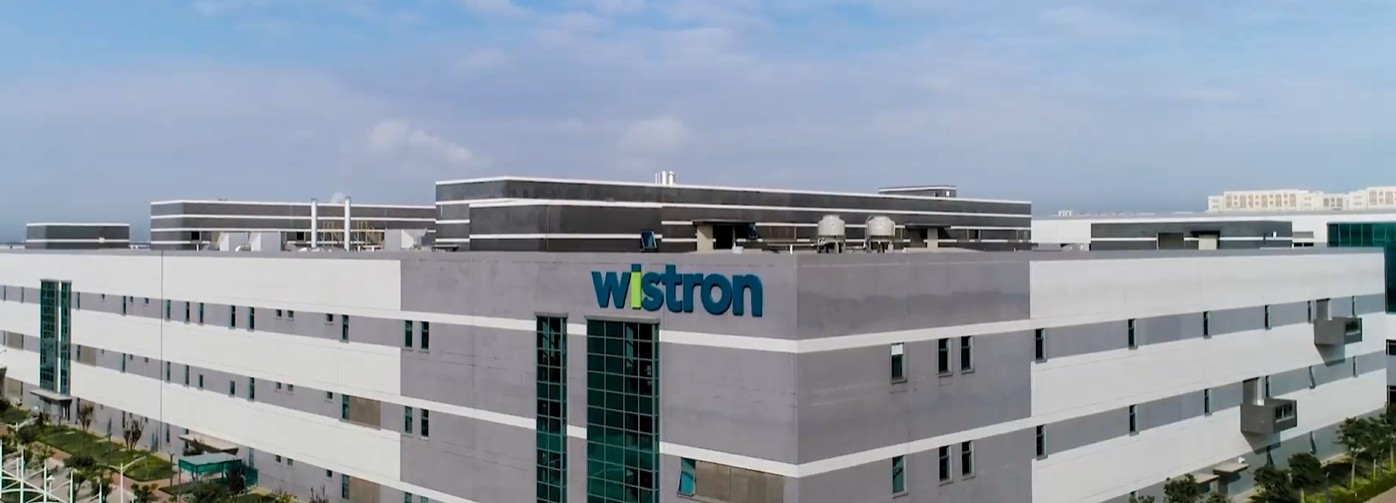
R&D Highlights: Main manufacturer for Microsoft Surface Laptop, excelling in unibody metal casings and precision hinge design. Early factory setup in India meets “China+1” strategy needs.
Green Manufacturing: RBA (formerly EICC) Platinum certification; products meet EPEAT Gold standards.
Wistron’s laptops are known for high repairability, making them popular in European education procurement.
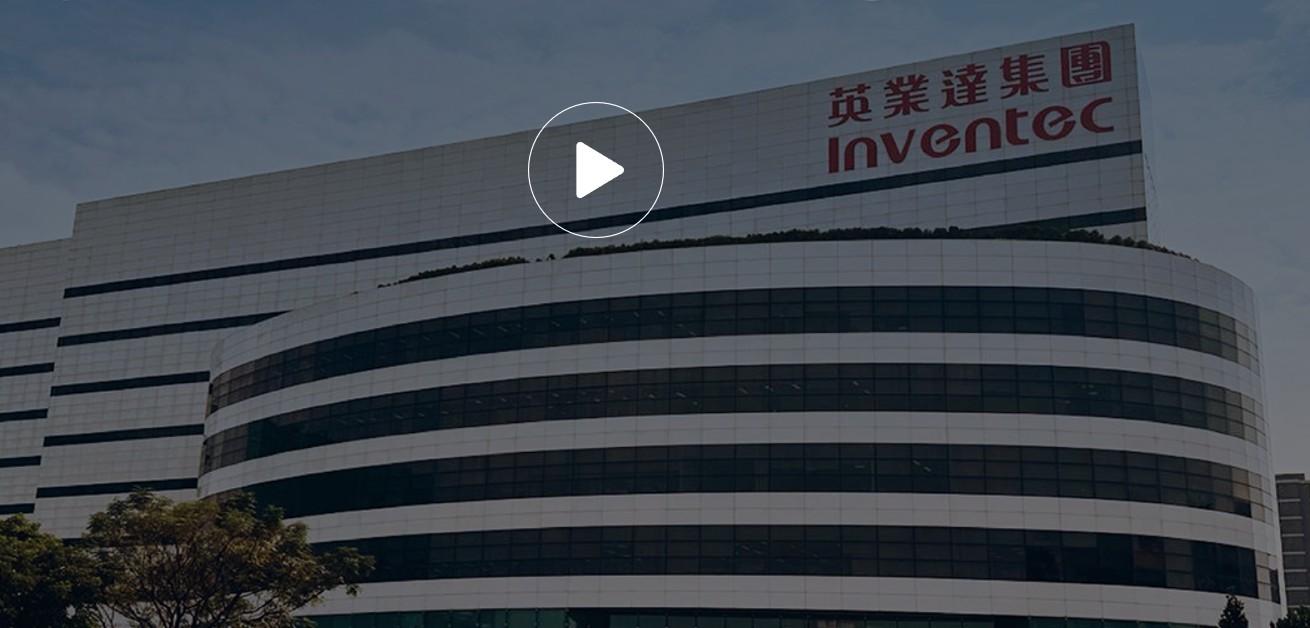
R&D Highlights: Main manufacturer for HP’s EliteBook series. Inventec has deep expertise in business laptop security features (fingerprint, TPM, spill‑resistant keyboard). It has recently expanded into medical tablet manufacturing and holds ISO13485 certification.
Green Manufacturing: Shanghai plant is a “national‑level green factory”; standby power consumption below 0.5W.
Inventec’s commercial laptops are known for stability, rich ports, and long lifecycles – ideal for government and enterprise procurement.

R&D Highlights: Pegatron has deeply collaborated on the extremely thin design of the MacBook Air. It holds multiple patents in fanless cooling and ultra‑thin keyboard technology.
Green Manufacturing: Committed to 100% renewable electricity in all global factories by 2026; packaging uses recycled paper.
Pegatron’s role in the Apple supply chain places its process quality and quality control standards at the industry’s top.
R&D Highlights: Transitioning from automotive batteries to consumer electronics, BYD Electronic has significant cost advantages in metal processing and mold development. It provides the unibody metal case for Honor MagicBook series with industry‑leading yield rates.
Green Manufacturing: ISO14064 greenhouse gas verification; products comply with RoHS and REACH.
BYD Electronic stands out for cost‑performance in the mid‑range laptop market, thanks to its in‑house mold capabilities and automated production lines.
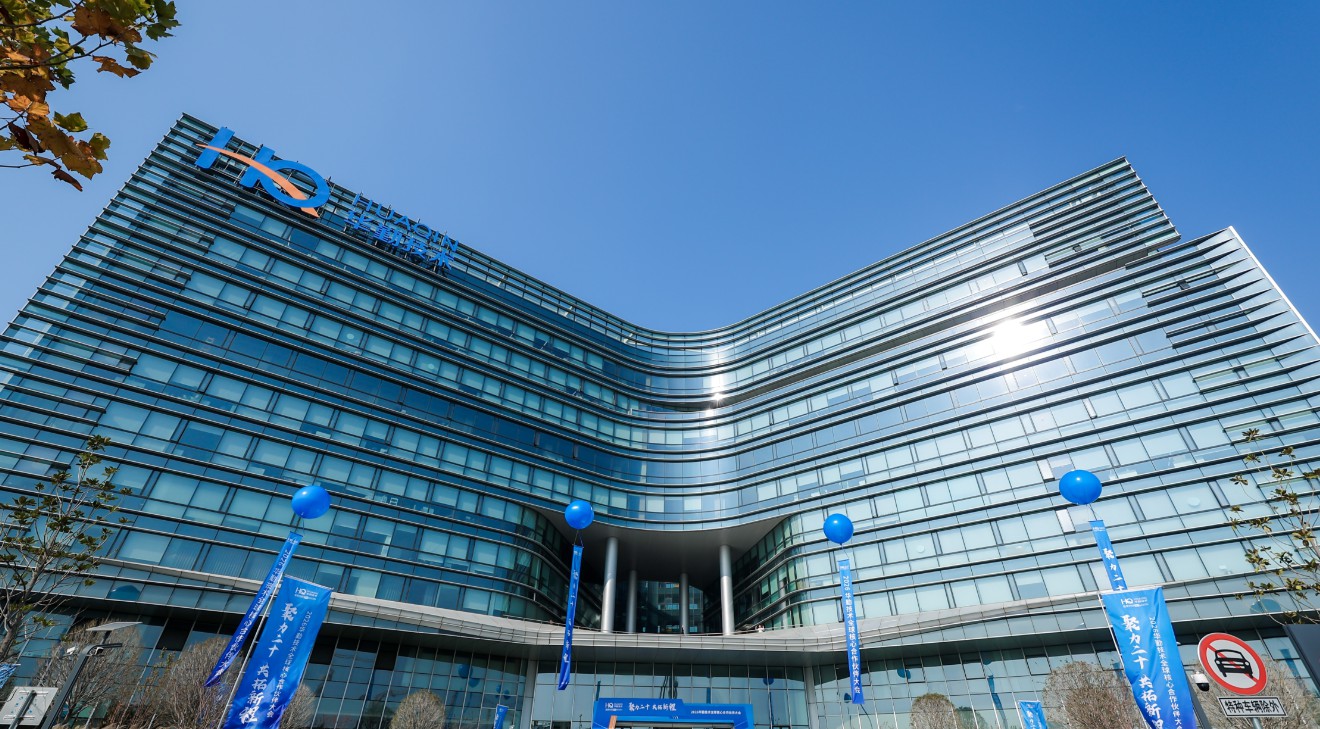
R&D Highlights: The largest notebook ODM in mainland China. Huaqin’s 2025 R&D investment exceeded RMB 3 billion, with over 4,000 engineers. It pioneered fully automated motherboard testing lines, greatly improving first‑pass yield. It co‑defines Ryzen‑based consumer laptops with AMD.
Green Manufacturing: Nanchang plant is a national‑level “green factory”; products meet Energy Star 8.0 certification.
Huaqin’s strengths in cost‑performance and rapid response make it especially suitable for internet brands customizing laptops.

R&D Highlights: One of the world’s largest mobile phone ODMs, Wingtech has aggressively entered the laptop space. After acquiring Nexperia, it holds unique advantages in power devices and power management. Its Xin Chuang notebook product lines using Phytium and Loongson processors are mature.
Green Manufacturing: Recognized as a “Green Supply Chain Management Demonstration Enterprise.”
Wingtech’s laptop solutions focus on high cost‑performance, with rapidly growing shipments in emerging markets like Southeast Asia and Latin America.
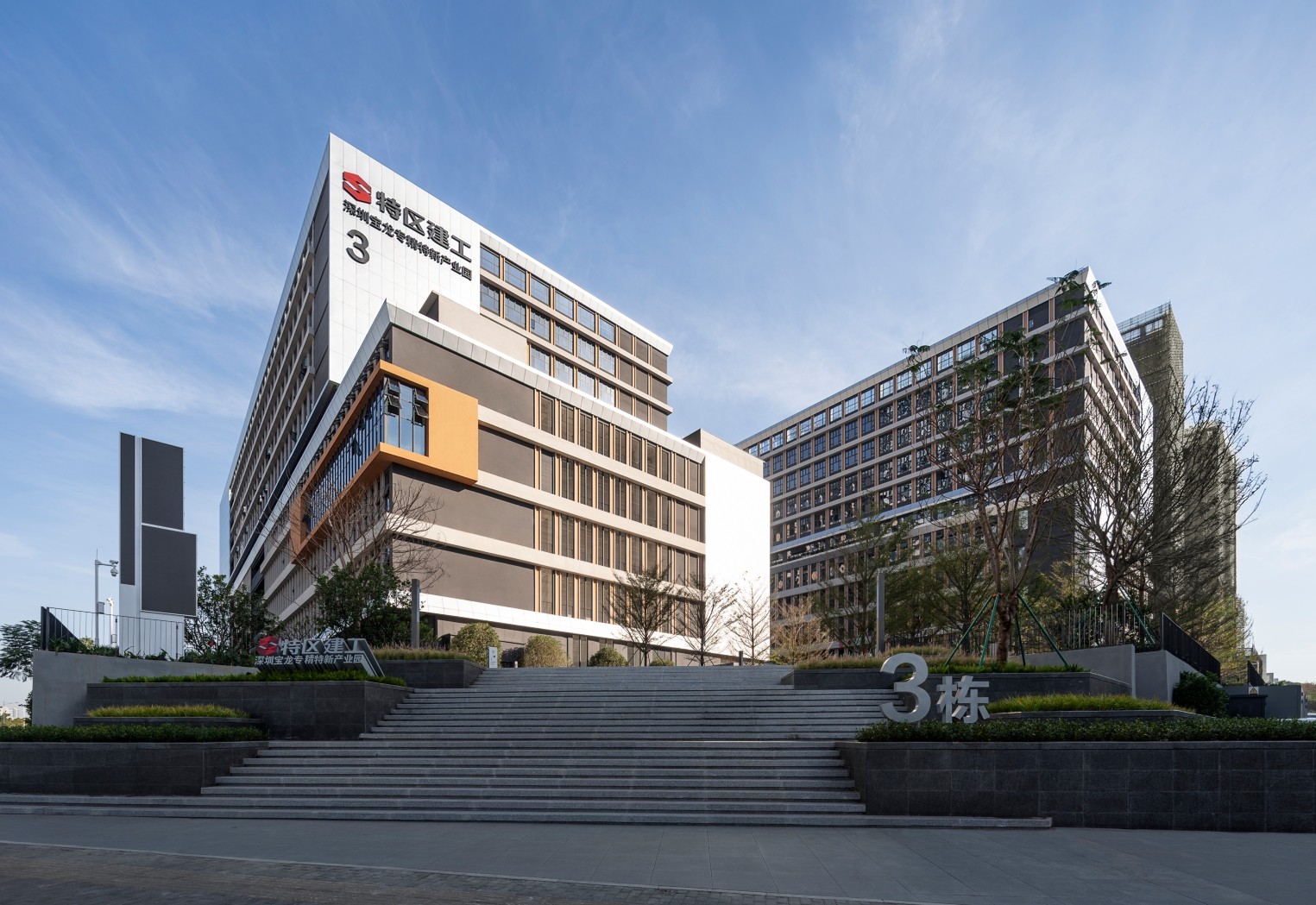
R&D Highlights: Unlike high‑volume ODMs, Adreamer focuses on “flexible small‑batch customization.” MOQ as low as 500 units, supporting comprehensive customization including BIOS boot logo, case silkscreen, system image, and ports (RS232, RJ45). Its R&D team of over 80 engineers can quickly respond to special requirements such as medical‑grade power supplies, explosion‑proof circuits, and wide‑temperature batteries. Its education notebooks have passed GB/T 42039 eye‑protection certification and have won multiple “Three Classroom” project bids.
Green Manufacturing: ISO14001 certified; products comply with RoHS 2.0.
Adreamer’s differentiation value: When a brand only needs a few hundred to a few thousand industry‑specific custom laptops, large OEMs are often unwilling to take the order. Adreamer not only takes such orders but provides full‑stack services from ID design and mold modification to software customization. Its products cover education learning notebooks, medical mobile terminals, industrial rugged tablets, and government/enterprise Xin Chuang notebooks – exported to over 150 countries.
Technical highlights:
Adreamer’s “500‑unit MOQ, 7‑15 day prototype” model provides valuable room for trial and error for startups and industry integrators.
R&D Highlights: Clevo is a favorite among barebone enthusiasts; its designs allow users to replace CPUs, graphics cards, and screens themselves. It is unique in high‑power thermal designs (multi‑heat pipes + high‑airflow fans).
Green Manufacturing: ISO14001 certified; products comply with EU ErP directive.
Clevo’s high‑end gaming laptop molds (e.g., P‑series) are used by multiple brands and are synonymous with extreme performance.
| Manufacturer | 2025 Shipments (M units) | Technical Specialty | Key Clients | Regional Capacity | MOQ Tendency |
|---|---|---|---|---|---|
| Quanta | 52 | High‑end ultrabooks | Apple, HP, Dell | China, Thailand | High volume |
| Compal | 48 | Commercial & gaming | Lenovo, Dell, Acer | China, Vietnam, Brazil | High volume |
| Wistron | 28 | High‑end business, repairable | Microsoft, Acer | China, India, Mexico | High volume |
| Inventec | 22 | Commercial & medical rugged | HP, Lenovo | China, Vietnam, Czech | Medium‑high |
| Pegatron | 20 | Ultra‑thin, fanless | Apple, Microsoft, ASUS | China, Indonesia, Mexico | High volume |
| BYD Electronic | 18 | Metal chassis, in‑house molds | Huawei, Honor, Xiaomi | China, India | Medium‑high |
| Huaqin | 15 | Value consumer, AI PC | Lenovo, Xiaomi | China, India | High volume |
| Wingtech | 12 | Entry‑level, Xin Chuang | Lenovo, HP | China, India | High volume |
| Adreamer | 0.8 | Industry custom (education/medical/industrial) | Education, medical, overseas SMBs | Shenzhen, China | Small batch (500+) |
| Clevo | 1.5 | High‑end gaming, barebone | MSI, Gigabyte, Mechrevo | China, Taiwan | Medium batch |
Annual volume >500,000 units: Quanta, Compal, Wistron – highest capacity and technological maturity.
Annual volume 100,000–500,000 units: Huaqin, BYD Electronic, Wingtech offer good cost‑performance and are willing to support a moderate level of customization.
Annual volume 10,000–100,000 units with deep customization (hardware, logo, ports, software, protection): Adreamer is the most suitable partner. Its flexible manufacturing avoids the neglect that small orders often receive from large factories, and it provides end‑to‑end services from ID design to certification support.
Pursuing extreme gaming performance: Clevo’s high‑end molds are the only choice.
For brand owners, the key is to clearly identify your product positioning, estimate sales volume, define customization requirements, and then shortlist 2‑3 manufacturers from this list for in‑depth discussions. If needed, a small‑batch pilot run (100‑500 units) can greatly reduce risk.
Industry-Specific Solutions
Latest Blog
RK3588 vs RK3588S: Key Differences for Edge Computing Boards
Compare RK3588 and RK3588S for edge computing. Learn PCIe, SATA, Ethernet, and MIPI interface differences to choose the right board for your project’s expansion needs.
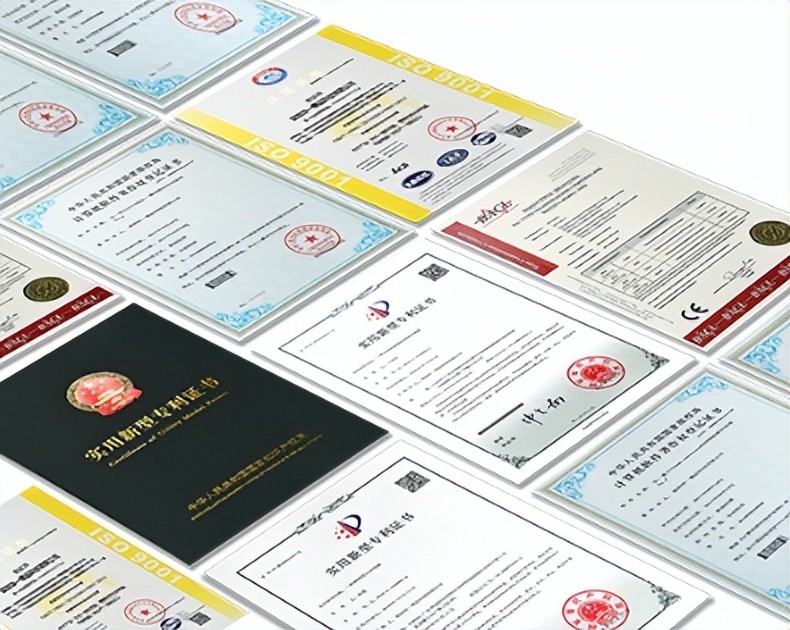
AI Compute Box Bulk Procurement: 3C, CE, FCC Certification Guide
Learn the key certification requirements for bulk buying AI compute boxes. Covers 3C, CE, FCC compliance, common pitfalls, and how to verify certificates to avoid legal risks.

RK3588 vs N100: Which Is Better for Local LLM Deployment?
Compare RK3588 and N100 for running local LLMs. See real-world token speeds, power, memory, software support, and which chip fits your AI workload.

Edge AI Box vs Cloud Server:Which Is Cheaper Long-Term?
A detailed TCO comparison of edge AI boxes and cloud servers. Covers hardware, bandwidth, power, and O&M costs, with break-even analysis and a decision checklist.
Adreamer

© 2012-2025 Copyright Shenzhen Adreamer Technology Co., Ltd.粤ICP备18115621号-2
Contact Adreamer Today for Your Custom Solution & Quote!
© 2012-2025 Copyright Shenzhen Adreamer Technology Co., Ltd.粤ICP备18115621号-2