
Get in Touch
Your Trusted Manufacturer of Laptops & Tablets

WhatsApp Us Directly
+86 13923410269
Email Us
Get in Touch
Your Trusted Manufacturer of Laptops & Tablets


“We want to customize a batch of our own brand laptops – should we work with an OEM or an ODM factory?” This is a question I often encounter in corporate procurement consulting. Many buyers know these two acronyms refer to contract manufacturing, but they often only have a vague understanding of the specific differences and which model is better suited to their business. The result is choosing the wrong model: either spending unnecessarily without getting an exclusive design, or seeing your R&D investment go down the drain with a product that won‘t sell.
Simply put: OEM means “you design, I manufacture”; ODM means “I design, you brand.” Though only one word differs, the implications for design ownership, intellectual property rights, minimum order quantities, cost structure, and lead time are enormous. Choose the right model, and your product can build a brand moat. Choose the wrong model, and you could end up sharing the same mold with dozens of other brands, trapped in a price war.
OEM means the brand provides a complete laptop design, including industrial design (ID), mechanical design (MD), hardware schematics, PCB layout, BIOS, drivers, pre-installed software, etc. The contract manufacturer is only responsible for manufacturing according to the drawings and process requirements. The product is sold under the brand’s own name with its logo.
Typical scenario: The R&D team of a well-known computer brand (e.g., Lenovo, HP, Dell) designs a new model and entrusts production to a contract manufacturer like Foxconn, Quanta, or Compal. The factory does not participate in the design; it only handles component sourcing, SMT assembly, testing, packaging, and shipping. The brand owns all intellectual property, and the contract manufacturer cannot sell that design to any third party.
Characteristics:
ODM means the contract manufacturer independently researches, designs, and develops a mature laptop solution (a “reference design” or “white book”). The brand selects one or more models from the factory’s existing portfolio, proposes modifications (e.g., change case color, silk-screen logo, adjust RAM/storage capacity, pre-install specific software, modify boot animation), and the factory produces the modified units, which are then sold under the brand‘s logo.
Typical scenario: A startup laptop brand has no R&D team. It approaches an ODM manufacturer in Shenzhen, picks an existing reference model, asks for the case color to be changed to rose gold, its own logo silk-screened, Windows 11 and an Office trial pre-installed, and custom retail packaging. It places an order for 2,000 units. The factory makes minor modifications to the reference design and delivers.
Characteristics:
| Aspect | OEM | ODM |
|---|---|---|
| Design Ownership | Brand provides full design drawings, BOM, process documents | Factory provides existing solution; brand modifies the reference design |
| IP Ownership | Belongs to the brand (factory cannot sell the design to third parties) | Typically belongs to the factory (brand can only white-label; factory may sell same design to others) |
| R&D Investment | Brand needs significant R&D spending (ID, MD, hardware, software) | Brand has nearly zero R&D investment; only minor modification fees for tooling/software |
| Product Differentiation | High (exclusive appearance, exclusive features) | Low (multiple brands use same reference mold; only logos differ) |
| MOQ | Higher, typically 5,000–10,000 units | More flexible, 1,000–3,000 units accepted |
| Lead Time | Longer, 4–6 months from design to mass production | Shorter, 2–3 months for modified reference design |
| Per-Unit Cost | Higher R&D fees, but lower per-unit cost at scale | Lower R&D fees, but slightly higher per-unit cost (amortized tooling/engineering) |
| Suitable For | Mature brands, companies with R&D teams, those seeking differentiation | Startups, channel partners, cross-border e-commerce, budget-conscious buyers |
Advantages:
Challenges:
Real-World Case: A domestic gaming laptop brand wanted a unique cooling design and RGB lighting effects. It chose the OEM model and signed an exclusive production agreement with a contract manufacturer. Although it invested $28,000 USD upfront in R&D and tooling, the product launched with differentiating selling points and sold at a 30% premium over comparable reference-design products, yet still sold well.
Advantages:
Challenges:
Real-World Case: A cross-border e-commerce seller wanted to sell their own brand laptops on Amazon. They had no R&D capabilities. They selected a reference ultrabook from an ODM factory in Shenzhen, requested a rose gold case color, their own logo silk-screened, Windows 11 and an Office trial pre-installed, and custom retail packaging. They placed an initial order for 2,000 units. The products were on sale three months later, selling 500 units per month with a net profit of $28 USD per unit. Although the product looked similar to several other brands on the market, competitive pricing and marketing still made it profitable.
Step 1: Assess your R&D capabilities
Step 2: Assess your need for differentiation
Step 3: Assess your budget and MOQ
Step 4: Assess time-to-market needs
| Business Type | Recommended Model | Reason |
|---|---|---|
| Well-known brand (annual shipments 100k+) | OEM | Need exclusive design to protect brand image |
| Startup (first trial) | ODM | Lower risk, quickly validate the market |
| Cross-border e-commerce (Amazon) | ODM | Need rapid product refreshes; some homogenization acceptable |
| Industry customer (schools/hospitals bulk purchase) | ODM + custom logo/software | No need for in-house R&D; functionality suffices |
| Technology-driven company (with patents) | OEM | Protect core technology |
Many successful brands follow this development path: first use ODM to quickly launch products and validate the market, build capital and brand recognition, then gradually shift to OEM to develop exclusive products. This “white-label first, then self-develop” route is worth learning for startups.
Whether you choose OEM or ODM, make sure the following terms are clearly stated in your contract:
A well-drafted contract can prevent 80% of future disputes.
Neither OEM nor ODM is inherently superior. The right choice depends on your company‘s current stage of development and available resources. By carefully evaluating your R&D capability, need for differentiation, budget, and time-to-market requirements, you can select the manufacturing model that will set your brand up for success.
Industry-Specific Solutions
Latest Blog

AMD Ryzen AI Max 395 Mini PC: Worth It? Pros, Cons & Benchmarks
Is the Ryzen AI Max 395 mini PC worth the price? See real-world LLM inference, gaming, power, noise, and pros/cons to decide if this 128GB AI workstation fits your needs.
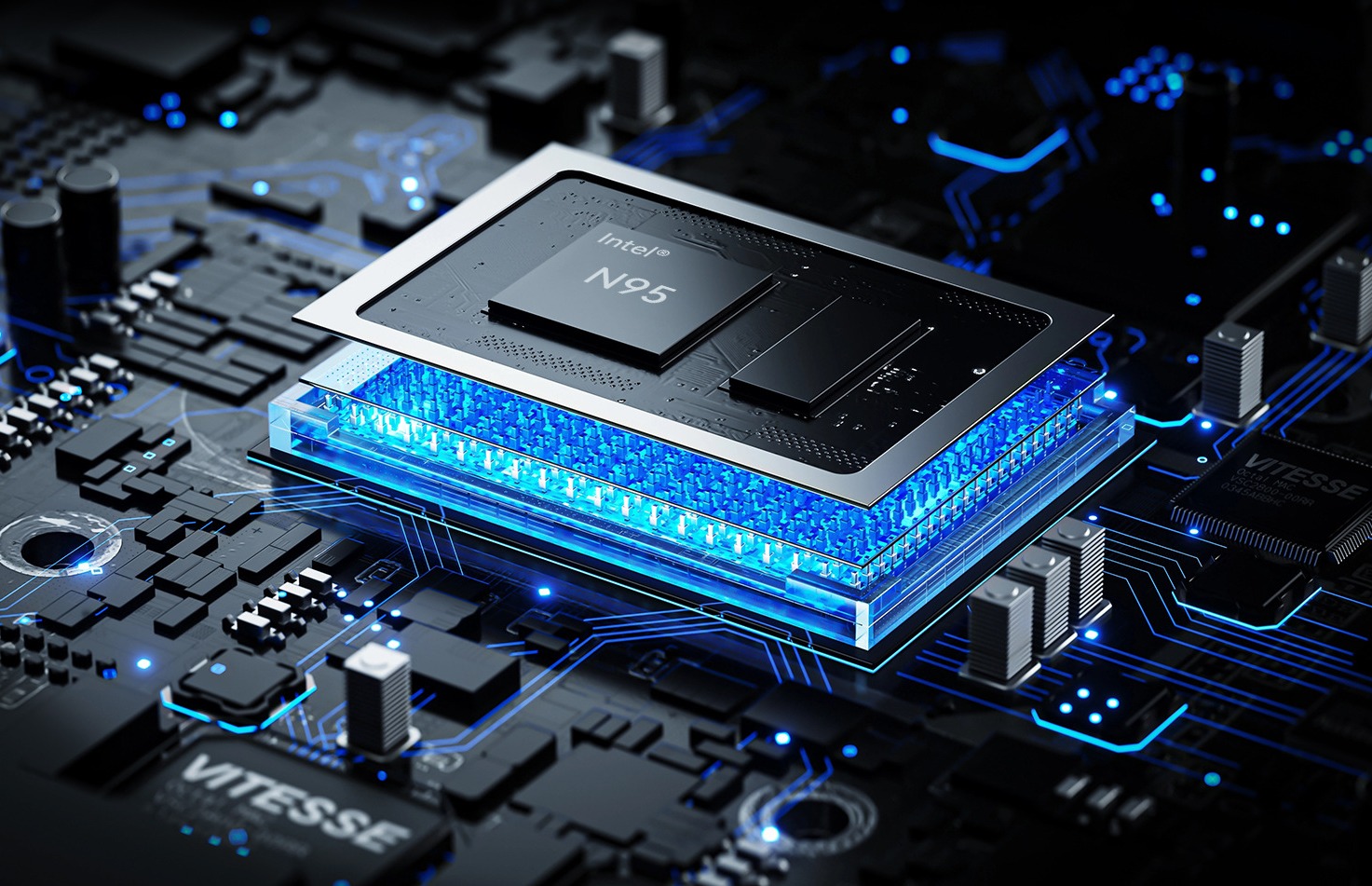
N100 vs N95 Mini PC Performance Comparison
Compare Intel N100 vs N95 mini PCs. See CPU, iGPU, TDP, power draw, gaming, and NAS performance—plus clear buying advice for office, soft router, and light gaming.
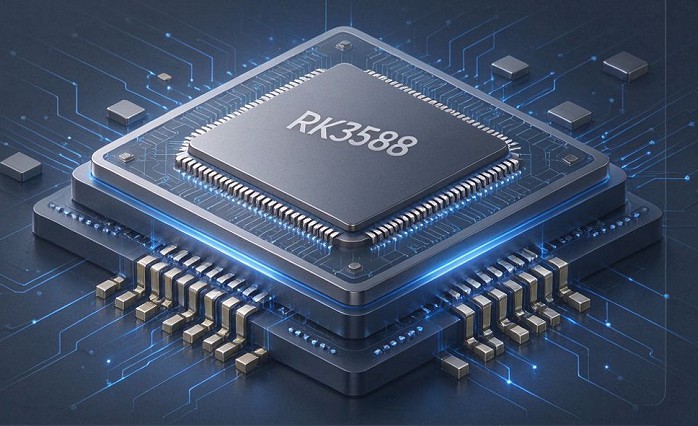
RK3588 vs RK3588S: Key Differences for Edge Computing Boards
Compare RK3588 and RK3588S for edge computing. Learn PCIe, SATA, Ethernet, and MIPI interface differences to choose the right board for your project’s expansion needs.
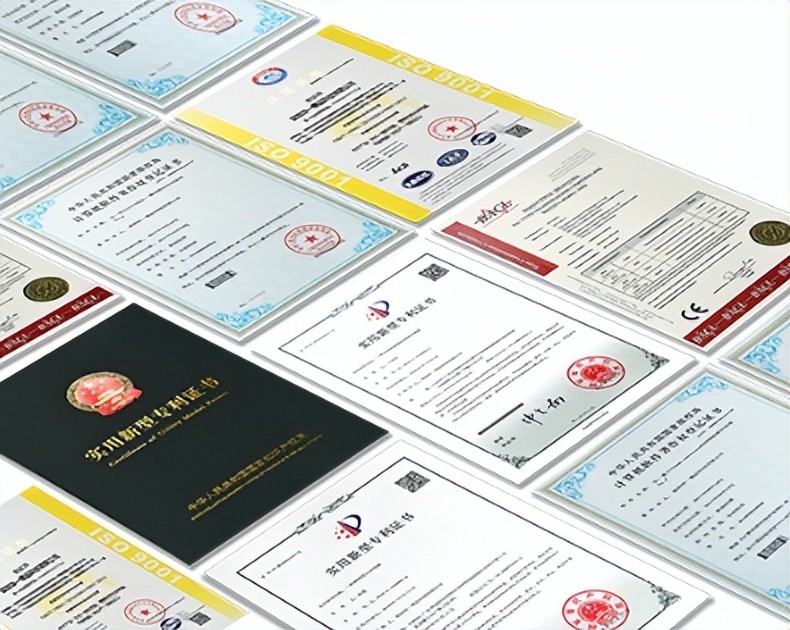
AI Compute Box Bulk Procurement: 3C, CE, FCC Certification Guide
Learn the key certification requirements for bulk buying AI compute boxes. Covers 3C, CE, FCC compliance, common pitfalls, and how to verify certificates to avoid legal risks.
Adreamer

© 2012-2025 Copyright Shenzhen Adreamer Technology Co., Ltd.粤ICP备18115621号-2
Contact Adreamer Today for Your Custom Solution & Quote!
© 2012-2025 Copyright Shenzhen Adreamer Technology Co., Ltd.粤ICP备18115621号-2