If you've worked in manufacturing, tech, or brand marketing, the term 'OEM' is certainly familiar. But when you try to explain it to someone outside the industry, it often proves tricky—it sounds like contract manufacturing, or putting your label on a product, and seems to involve deeper collaboration.
There's often a debate: Is OEM purely contract manufacturing, or simply white-labeling? In fact, both descriptions only scratch the surface. Today, let's move beyond dry definitions and dive into factory floors, brand boardrooms, and supply chain networks to fully unpack the true nature, operational logic, and business wisdom behind OEM.
1.What Exactly is OEM?
In the simplest terms, OEM (Original Equipment Manufacturer) refers to a 'build-to-print' partnership model. The brand owner (also called the client or commissioning company) is responsible for product design, R&D, branding, and marketing sales, and it establishes a complete set of technical specifications and standards. It then hands these production blueprints to a manufacturing company with the appropriate production capabilities and qualifications. The latter manufactures the product strictly according to the provided designs, processes, and sometimes even specified raw materials. Finally, the product carries the brand owner's logo and is sold by them.

The key to understanding this model lies in two core principles:
- Clear Intellectual Property Ownership: The 'soul' of the product (design, core technology) belongs to the brand owner.
- Outsourced Manufacturing Execution: The 'body' of the product (production, assembly) is handled by the OEM manufacturer.
A classic, globally recognized example is Foxconn and Apple. Apple designs the iPhone, defining every detail, and then a manufacturing giant like Foxconn carries out precision manufacturing on a massive scale according to Apple's extremely stringent standards. You will never see a 'Made by Foxconn' logo on an iPhone; it always reads 'Designed by Apple in California.'
2.The Essential Differences Between OEM, ODM, and OBM
Many confuse OEM, ODM, and OBM. In reality, they represent different divisions of labor in the industry chain. We can use a 'running a restaurant' analogy for quick understanding:
OEM (Original Equipment Manufacturing): You are a restaurant owner with a secret recipe (the brand owner). You design the menu (product design) and specify the cooking time and plating for each dish (technical standards). You then hire a highly skilled chef (the OEM manufacturer) to cook strictly according to your recipe, either in your kitchen or one meeting your requirements. The dishes are served under your restaurant's name.
- Core: The brand owner provides the 'blueprint'; the factory handles 'construction.'
ODM (Original Design Manufacturing): You want to open a restaurant but don't know how to cook. You find an established food R&D company (the ODM manufacturer) with a ready-made, market-tested menu. You can directly choose dishes from it (off-the-shelf solutions) or have them tweak the flavor and appearance of existing dishes based on your input (co-development or modification). These dishes are then launched under your restaurant's name.
- Core: The factory provides both the 'blueprint' and 'construction'; the brand owner mainly contributes the 'brand' and 'product selection.' Many consumer electronics and small appliance brands use this model to enter the market quickly.
OBM (Original Brand Manufacturing): The chef (the manufacturing company) opens their own restaurant, handling everything from R&D and cooking to service and marketing under their own brand. Examples include Huawei and Samsung, which are both powerful manufacturers and operators of globally recognized own brands.
- Core: Full in-house control over design, manufacturing, branding, and sales.
| Model | Design Ownership | Production Ownership | Brand Ownership | Typical Relationship |
|---|
| OEM | Brand Owner | OEM Manufacturer | Brand Owner | Apple vs. Foxconn |
| ODM | ODM Manufacturer (or Joint) | ODM Manufacturer | Brand Owner | Many white-label e-commerce brands vs. solution providers |
| OBM | Manufacturing Enterprise | Manufacturing Enterprise | Manufacturing Enterprise | Huawei, Gree |
Therefore, OEM is far from simple 'white-labeling' (which is closer to ODM). It is a form of 'contract manufacturing' based on deep trust and professional division of labor, where the 'manufacturing' involves extremely high technical and managerial thresholds.
3.The Complete OEM Collaboration Process
Do you think ordering a batch of tissues with your logo is OEM? That's just the final presentation. A serious industrial OEM collaboration has a process as rigorous as a military operation:
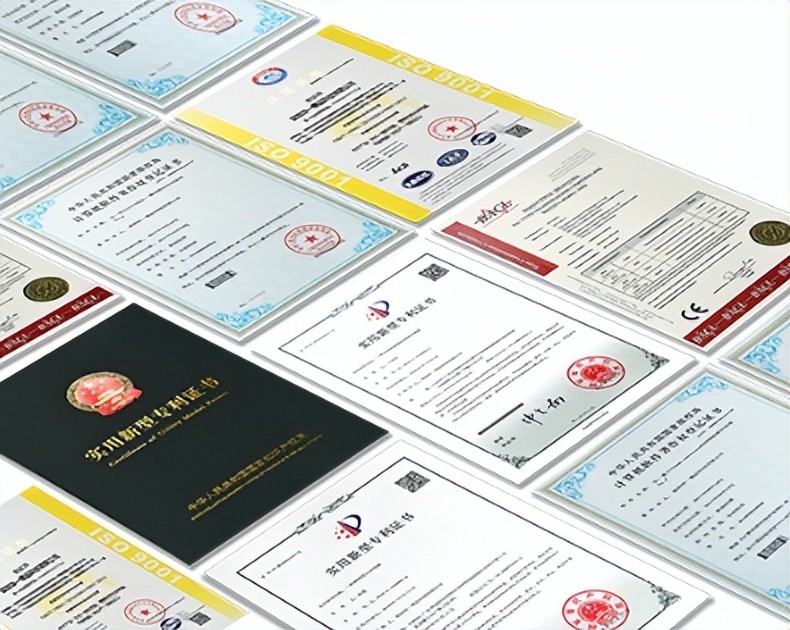
- Requirements Alignment & Qualification Audit: The brand owner sends requirements to potential OEM factories. The factory undergoes an almost 'archaeological' audit of production capacity, quality control systems (e.g., ISO 9001), facility environment, social responsibility (e.g., BSCI), and past projects. This phase can last months.
- Technical Alignment & Sample Approval: The brand owner provides detailed product specifications, design drawings, and testing standards. The OEM factory creates molds, produces samples, and conducts multiple rounds of testing and modification until samples fully meet the brand owner's requirements. This is the first common point of friction; subtle differences in tolerances, materials, and performance require repeated break-in.
- Small-Batch Trial Production: After sample approval, small-batch trial production (e.g., hundreds to thousands of units) begins to test production line stability, identify process issues, optimize workflows, and calculate precise costs.
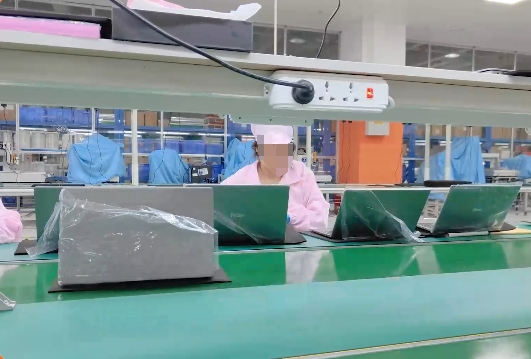
- Mass Production & Quality Control: Once trial production is successful, mass production can begin. Brands typically station on-site quality engineers (SQEs) at the OEM factory to conduct full-process quality supervision and perform spot checks on raw materials, production lines, and finished products.
- Logistics & Delivery: After production, products are packaged per order requirements and shipped via the brand owner's or designated logistics to warehouses or distribution centers worldwide.
4.Why Choose OEM?
For brand owners, OEM is a strategic choice, not a sign of incapability:
- Asset-Light Operation, Focus on Core Competencies: No need for huge investments in factories, equipment, or managing a large workforce. Capital and energy can be focused on product R&D, brand building, and channel development—a common strategy for tech companies.
- Leverage Manufacturing Expertise, Reduce Cost & Risk: Top OEM manufacturers have economies of scale, lower raw material costs, mature processes, and higher yield rates. They also absorb the risks of fixed-asset investment and labor management.
- Rapid Market Response & High Flexibility: It can quickly adjust order quantities among different OEM manufacturers according to market demand, or cooperate with multiple manufacturers at the same time to ensure supply, thus avoiding the rigidity of production capacity of self-built factories.
- Lower Market Entry Barrier: It enables entrepreneurs or new brands with excellent creativity and design capabilities but lacking manufacturing resources to bring their products to market.
What does this business model mean for OEM manufacturers?
- Stable Orders, Predictable Revenue: Binding with quality brand owners secures long-term, large-volume production orders.
- Focus on Manufacturing, No Marketing Investment: No need to bear huge brand promotion costs or market risks. They can concentrate on refining processes, improving efficiency, and controlling costs.
- Technology learning and upgrading: The process of serving high-end clients is itself the best form of technical and management training, driving continuous self-improvement.
- Economies of scale: By serving multiple brands, we maximize capacity utilization and reduce fixed costs.
5.The Bright and Dark Sides of the OEM Model
The advantages of OEM collaboration are clear:
- Efficient Allocation of Social Resources: Achieves optimal global division of labor.
- Drives Manufacturing Standards Up: OEM manufacturers must constantly upgrade to meet international brand requirements.
- Benefits Consumers: Enables access to well-designed, reliable products at relatively reasonable prices.
However, challenges and risks are equally significant:
For Brand Owners:
- Core Technology Leak Risk: Despite NDAs, the risk of technology spillover exists in long-term partnerships.
- Supply Chain Dependency Risk: Over-reliance on a single OEM manufacturer can lead to passivity in production planning and cost negotiations. Unexpected events at the factory (such as pandemics or fires) can bring a brand's business to a standstill.
- Quality Control Challenges: Physical distance and management layers can create blind spots in quality oversight.
For OEM Manufacturers:
- Low Profit Margins: Positioned at the bottom of the 'Smiling Curve,' with low added value, fierce competition, and often weak bargaining power.
- Client Volatility Risk: Shifts in brand owner orders or market downturns directly impact factory survival.
- Difficult Transformation: The path dependency formed from long-term contract manufacturing creates significant hurdles in brand building, channel development, and design capabilities when transitioning to ODM, and especially OBM.
6.Is OEM Contract Manufacturing or White-Labeling?
So, what is OEM? It's far more than a simple label like 'contract manufacturing' or 'private label production.' It's the cornerstone of the globalized industrial system—a 'professional alliance' based on precise division of labor. For brand owners, it's a lever to enhance creativity and brand value; for manufacturers, it's fertile ground for survival and development, and a ladder to upward mobility.
Understanding OEM means understanding the core logic of how modern commercial products travel from a drawing, across thousands of miles, to safely and reliably reach the consumer's hands.