
Get in Touch
Your Trusted Manufacturer of Laptops & Tablets
WhatsApp Us Directly
+86 13923410269
Email Us
Get in Touch
Your Trusted Manufacturer of Laptops & Tablets

Data cannot go to the cloud, monthly cloud API fees keep rising, and everything stops when the network goes down—more and more businesses and developers are considering private deployment of local large language models. But the question is: what kind of device should run them? Regular computers can't handle it, servers are too expensive and noisy, and the cloud feels untrustworthy.
The key to private deployment of local LLMs is finding an AI mini PC with sufficient compute, ample memory, controllable power consumption, and data that never leaves the device. It can't be like a GPU server that costs tens of thousands of dollars and draws hundreds of watts, nor like an ordinary office PC that stutters even on a 7B model.
The core value of private deployment is solving three fundamental weaknesses of cloud AI:
| Pain Point | Cloud AI | Private Deployment |
|---|---|---|
| Data Privacy | Data uploaded to cloud, risk of leakage | Data never leaves device, fully controllable |
| Ongoing Cost | Pay-per-token, more expensive with more use | One-time hardware investment, no recurring fees |
| Network Dependency | Stops working when network fails | Fully offline capable |
| Compliance Requirements | Some industries prohibit data export | Meets security, Xinchuang (domestic innovation) compliance |
For data-sensitive industries such as finance, healthcare, legal, and government/enterprise, private deployment is not optional—it is mandatory.
LLM inference requires loading model files into memory. If memory is insufficient, the model simply cannot load.
| Model Size | Quantization | File Size | Minimum RAM | Recommended RAM |
|---|---|---|---|---|
| 7B | Q4 | ~4.5GB | 8GB | 16GB |
| 13B | Q4 | ~7.5GB | 16GB | 32GB |
| 30B | Q4 | ~16GB | 32GB | 64GB |
| 70B | Q4 | ~36GB | 64GB | 128GB |
Core principle: Memory determines 'whether it can run'; compute determines 'how fast it runs.' When selecting, first confirm whether memory meets the target model's requirements.
There are three main sources of compute, corresponding to different inference speeds:
| Compute Source | 7B Model Speed | Power Consumption | Suitable Scenarios |
|---|---|---|---|
| High-performance iGPU | 8–12 token/s | 45W | Limited budget, entry-level private deployment |
| NPU acceleration | 15–25 token/s | 28W | Pursuing energy efficiency, desktop deployment |
| Discrete GPU | 40–60 token/s | 45W | High-frequency use, CUDA ecosystem |
| ARM + NPU | 8–12 token/s | 10W | Edge deployment, ultra-low power |
| Storage Capacity | Number of Models Storable | Notes |
|---|---|---|
| 128GB | 3–5 7B models | Standard for edge boxes |
| 512GB | 10+ models | Mainstream x86 mini PC configuration |
| 1TB+ | 20+ models | Suitable for multi-model switching scenarios |
Passive cooling (fanless): Suitable for low-power (<15W) devices—zero noise, dust-resistant.
Active cooling (fan): Suitable for high-performance devices—sustained load without throttling.
Does first-time use require online activation? → Must not
Does model loading require online download? → Must be pre-installed
Does inference work normally after unplugging the network cable? → Must work normally
Requirement: Employees ask questions via the intranet; AI retrieves answers from company documents; data never leaves the intranet.
Recommended configuration: 16GB RAM + 6–50 TOPS NPU
| Configuration Tier | Core Specs | 7B Speed | Power | Reference Price |
|---|---|---|---|---|
| Entry iGPU | 4–6 core x86 + 16GB DDR4 (upgradable) | 6–10 token/s | 15W | $210–280 |
| Mid-range iGPU | 6-core x86 + 16GB LPDDR5 | 8–12 token/s | 45W | $280–420 |
| NPU acceleration | 8-core x86 + 16GB LPDDR5x + 50 TOPS NPU | 15–25 token/s | 28W | $490–700 |
Selection advice:
Requirement: Data cannot leave the government intranet; devices cannot connect to the external network; domestic chips + domestic OS required.
Recommended configuration: 6 TOPS NPU + 6–8GB RAM + domestic OS
| Configuration Tier | Core Specs | 7B Speed | Power | Reference Price |
|---|---|---|---|---|
| Standard | Domestic ARM 8-core + 6GB LPDDR4 + 6 TOPS NPU | 8–12 token/s | 10W | $210–280 |
| Flagship | Domestic ARM 8-core + 6GB LPDDR4 + 6 TOPS triple-core NPU | 8–12 token/s | 10W | $250–310 |
Selection advice:
Requirement: Developers debug models locally, run 13B models, need CUDA ecosystem.
Recommended configuration: 32GB RAM + discrete GPU (CUDA)
| Configuration Tier | Core Specs | 13B Speed | Power | Reference Price |
|---|---|---|---|---|
| Discrete GPU dev | i9 + RTX 3060 12GB + 16GB (upgradable) | 25–40 token/s | 45W | $840–1,120 |
| Flagship large memory | 16-core x86 + 128GB + 50 TOPS NPU | 15–22 token/s | 55–120W | $1,120–1,680 |
Selection advice:
| Configuration Tier | Memory | Compute Source | 7B Speed | 13B Speed | 70B | Power | Suitable Scenarios |
|---|---|---|---|---|---|---|---|
| Entry iGPU | 16GB DDR4 (upgradable) | iGPU | 6–10 token/s | 5–7 token/s | ❌ | 15W | Entry private deployment |
| Mid-range iGPU | 16GB LPDDR5 | iGPU | 8–12 token/s | 6–9 token/s | ❌ | 45W | Office + AI |
| NPU acceleration | 16GB LPDDR5x | 50 TOPS NPU | 15–25 token/s | 8–15 token/s | ❌ | 28W | NPU acceleration |
| Discrete GPU dev | 16GB DDR4 (upgradable) | RTX 3060 | 40–60 token/s | 25–40 token/s | ❌ | 45W | CUDA development |
| Flagship large memory | 128GB LPDDR5x | 50 TOPS NPU | 25–35 token/s | 15–22 token/s | ✅ | 55–120W | 70B large models |
| ARM + NPU standard | 6GB LPDDR4 | 6 TOPS NPU | 8–12 token/s | ⚠️ | ❌ | 10W | Government/enterprise Xinchuang |
| ARM + NPU flagship | 6GB LPDDR4 | 6 TOPS (triple-core) | 8–12 token/s | ⚠️ | ❌ | 10W | Edge multi-stream |
Q1: Is private deployment or cloud API more cost-effective?
| Comparison | Cloud API | Private Deployment |
|---|---|---|
| Initial Cost | Low (pay-as-you-go) | Medium (hardware investment) |
| Long-term Cost | Continues to grow | One-time investment |
| Data Privacy | Data uploaded | Data never leaves device |
| Offline Availability | ❌ | ✅ |
| Suitable Scenarios | Non-sensitive business | Government, finance, healthcare |
For long-term high-frequency use, private deployment is more cost-effective; for low-frequency temporary use, cloud API is more flexible.
Q2: What's the device difference between private deployment of a 7B model vs. a 13B model?
Q3: After private deployment, can the model be updated?
Yes. In a government/enterprise intranet environment, new models can be imported via USB drive or internal file server, or updated through offline packages on the intranet.
Q4: How do I confirm the device truly runs offline?
Verification steps:
Q5: What key questions should I ask the manufacturer during procurement?
Is the memory upgradable?
Are the NPU drivers pre-installed and verified?
Does it support domestic operating systems?
Can it pre-install specified models?
Does it support batch deployment and remote management?
Industry-Specific Solutions
Latest Blog
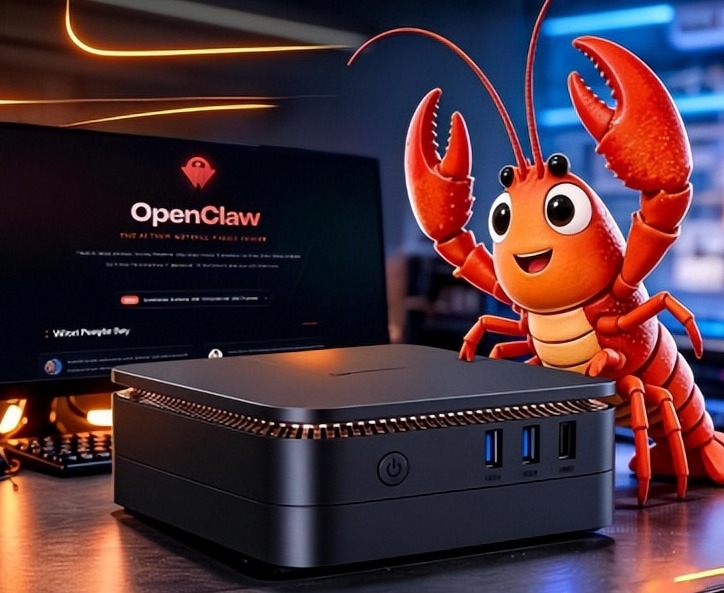
What AI Mini PC Do You Need for Private Local LLM Deployment?
Learn what AI mini PC specs you need for private deployment of local LLMs: memory, NPU, storage, offline capability, and configuration recommendations for 7B–70B models.

How to Choose an Edge Computing Box Manufacturer: ODM/OEM Guide
Learn how to evaluate edge computing box manufacturers. Compare source factories, ODM/OEM models, MOQ, certifications, and customization to find the right partner.
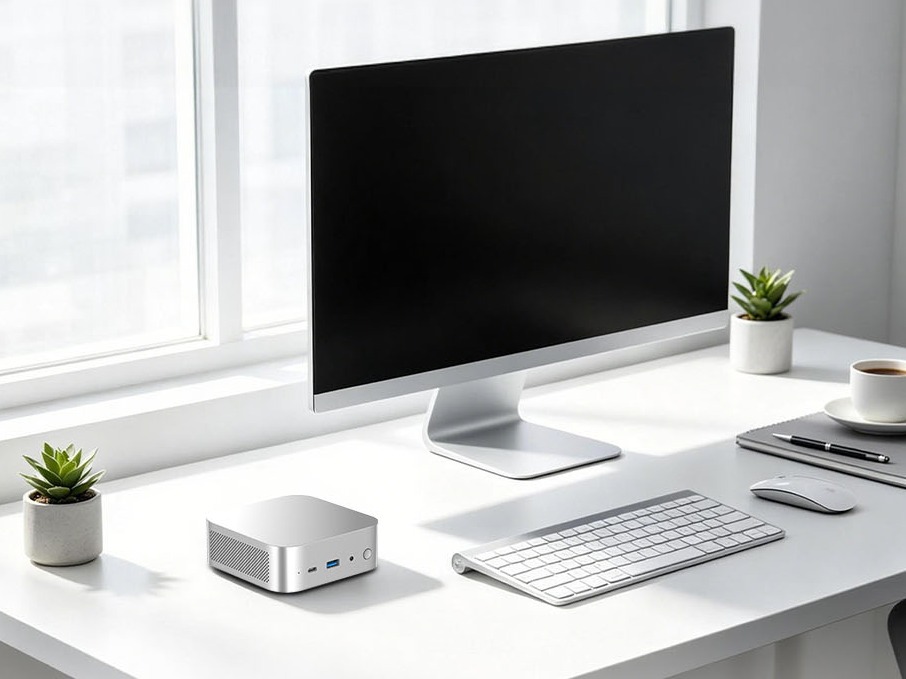
How to Choose an AI Mini PC in 2026: NPU & Memory Buying Guide
A practical guide to choosing an AI mini PC in 2026. Learn how to match NPU TOPS, memory capacity, and bandwidth to your workload, avoid common pitfalls, and pick the right configuration.
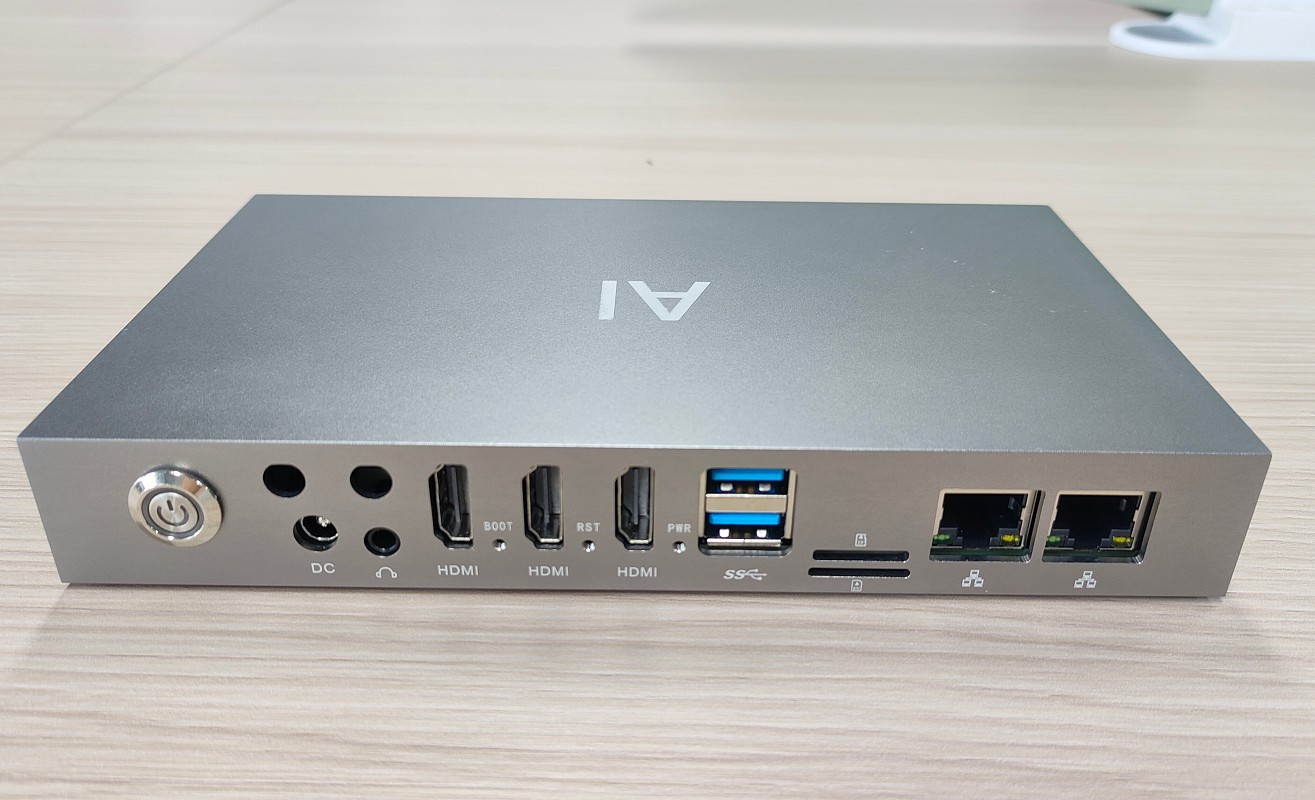
How to Partner with an Edge Box Manufacturer
Complete OEM/ODM process for edge computing boxes – from requirements and factory vetting to sample sign‑off, pilot runs, and bulk delivery. Includes contract tips and IP protection.
Adreamer

© 2012-2025 Copyright Shenzhen Adreamer Technology Co., Ltd.粤ICP备18115621号-2
Contact Adreamer Today for Your Custom Solution & Quote!
© 2012-2025 Copyright Shenzhen Adreamer Technology Co., Ltd.粤ICP备18115621号-2