Get in Touch
Your Trusted Manufacturer of Laptops & Tablets
WhatsApp Us Directly
+86 13923410269
Email Us
Get in Touch
Your Trusted Manufacturer of Laptops & Tablets

If you are procuring 500 or 5,000 custom‑built laptops for your organisation – whether for education, retail, healthcare, or industrial field use – you are not buying a retail machine. You are specifying a computing core that must be available for 2–3 years, thermally compatible with your chassis design, supported with long‑term BSP/driver updates, and cost‑effective at scale.
In the B2B custom laptop world, CPU selection is not about benchmark scores. It is about supply continuity, power‑thermal design, ecosystem maturity, and total cost of ownership. The “fastest” chip on the market today may be impossible to source in volume next year, or may force you to redesign your mainboard for a successor.
This guide systematically maps the CPU landscape for custom laptops in 2026, covering:
We will compare them across performance, power consumption, availability, pricing, and ecosystem support – and give you a clear decision framework to choose the right CPU for your project.
| Retail buying | B2B custom procurement |
|---|---|
| Choose the fastest CPU within your budget | Choose a CPU that will be available for at least 24 months |
| Read online reviews and benchmarks | Validate thermal performance with your actual chassis and workload |
| One‑time purchase | Need consistent BSP/driver updates for 2‑3 years |
| Accept the manufacturer’s cooling solution | Co‑design cooling with the ODM; TDP matters more than peak performance |
| Can switch models anytime | Once you commit to a mainboard design, changing CPU is a major redesign |
For custom laptops, the CPU decision locks in your motherboard, thermal module, power delivery, and chassis – so you must get it right from the start.
Intel dominates the custom laptop ODM space. Almost every ODM (Quanta, Compal, Wistron, and smaller design houses) has mature, production‑ready Intel platforms. Driver support, BSP longevity, and global availability are unmatched.
Launched in late 2025, Lunar Lake is Intel’s first architecture built from the ground up for client AI. Its integrated NPU delivers up to 48 TOPS, enabling smooth on‑device inference for 7B–13B parameter LLMs.
| Model | Cores/Threads | Max Freq | TDP | NPU | Best‑for |
|---|---|---|---|---|---|
| Ultra 9 288V | 8C/8T | 5.1GHz | 17‑30W | 48 TOPS | High‑end enterprise AI / developer laptops |
| Ultra 7 268V | 8C/8T | 4.8GHz | 17‑30W | 48 TOPS | Premium AI PC for education & business |
| Ultra 5 226V | 8C/8T | 4.5GHz | 17‑30W | 48 TOPS | Value AI PC – good balance |
Procurement notes:
Intel’s first generation with an integrated NPU (10‑12 TOPS). It is not as AI‑powerful as Lunar Lake, but it is widely available, well‑priced, and extremely stable – making it the #1 choice for most custom orders in 2026.
| Model | Cores/Threads | Max Freq | TDP | Best‑for |
|---|---|---|---|---|
| Ultra 7 165H | 16C/22T | 5.0GHz | 28W | High‑performance business & education |
| Ultra 5 125H | 14C/18T | 4.5GHz | 28W | The sweet spot – best price/performance |
| Ultra 5 115U | 12C/14T | 4.2GHz | 15W | Ultra‑portable, long‑battery designs |
Procurement notes:
For single‑purpose terminals (e.g., factory data collectors, warehouse scanners, basic office thin clients), these older generations remain extremely attractive due to low cost and stable supply.
| Model | Cores/Threads | TDP | Best‑for |
|---|---|---|---|
| i7‑13700H | 14C/20T | 45W | Heavy‑duty industrial terminals |
| i5‑13500H | 12C/16T | 45W | Industrial workhorse |
| i5‑1340P | 12C/16T | 28W | Thin industrial / education |
| i3‑1315U | 6C/8T | 15W | Ultra‑low‑cost terminals |
Procurement notes:
For extremely cost‑sensitive projects (e.g., basic educational devices, digital signage), the Alder Lake‑N series (N100, N200) offers adequate performance at a fraction of the cost.
| Model | Cores/Threads | TDP | Best‑for |
|---|---|---|---|
| N100 | 4C/4T | 6W | Low‑cost education terminals, thin clients |
| N200 | 4C/4T | 6W | Slightly faster entry‑level |
Procurement notes: Unit cost is ~$50‑70, but performance is only suitable for lightweight Linux or Windows IoT. If your application is Android‑based, ARM‑based SoCs (see Section 4) will give you better performance at even lower power.
AMD has won the consumer performance crown, but in the custom laptop ODM world, its share is far smaller than Intel’s – for three reasons:
That said, AMD is the better choice when you need superior integrated graphics or better power efficiency for a given performance level.
Released in late 2025, Strix Point packs an NPU with up to 50 TOPS (slightly ahead of Intel Lunar Lake) and integrates RDNA 3.5 graphics – significantly outperforming Intel’s iGPU.
| Model | Cores/Threads | TDP | NPU | Best‑for |
|---|---|---|---|---|
| Ryzen AI 9 HX 370 | 12C/24T | 28W | 50 TOPS | AI development, creative work, light 3D |
| Ryzen AI 7 350 | 8C/16T | 28W | 50 TOPS | Premium education / business with AI |
Procurement notes:
For projects that do not need AI, the older Zen‑3 based 7030U series offers excellent performance per watt.
| Model | Cores/Threads | TDP | Best‑for |
|---|---|---|---|
| Ryzen 5 7530U | 6C/12T | 15W | Light industrial, education, mobile field |
| Ryzen 3 7330U | 4C/8T | 15W | Ultra‑low‑cost terminals |
Procurement notes: Unit cost ~$150‑200, slightly cheaper than Intel i5‑13500H, with much lower TDP (15W vs 45W) – ideal for battery‑powered mobile devices. But again, verify your ODM’s experience with AMD platforms before committing.
If your custom laptop runs Android, ChromeOS, or a lightweight Linux distribution, ARM‑based system‑on‑chips (SoCs) are almost always superior to x86 in terms of cost, power consumption, and thermal design.
| Model | Process | CPU Cores | NPU | TDP | Best‑for |
|---|---|---|---|---|---|
| Snapdragon X Elite (X1E‑84‑100) | 4nm | 12x Oryon | 45 TOPS | ~20W | Premium Windows on ARM / AI PCs |
| QCM6490 | 6nm | Kryo 670 | 5.5 TOPS | 6‑10W | Retail POS, AI terminals |
| QCS8250 | 7nm | Kryo 585 | 15 TOPS | 10‑15W | High‑performance edge AI |
Procurement notes:
| Model | CPU Cores | GPU | TDP | Best‑for |
|---|---|---|---|---|
| Kompanio 1380 | 8x ARM | Mali‑G57 | ~5W | Mid‑range Chromebooks |
| MT8395 (Genio 1200) | 8x ARM | Mali‑G77 | ~6W | Education Android tablets / laptops |
Procurement notes: MediaTek offers the best price/performance for ChromeOS and entry‑level Android devices. ODMs have mature reference designs, and supply is stable. Unit cost ~$30‑50.
Rockchip is widely used in global industrial and education Android devices due to its excellent BSP support, low cost, and active open‑source community.
| Model | CPU Cores | NPU | TDP | Best‑for |
|---|---|---|---|---|
| RK3588 | 4xA76 + 4xA55 | 6 TOPS | 5‑15W | Premium Android custom laptops |
| RK3568 | 4xA55 | 1 TOPS | 3‑8W | Low‑cost education tablets |
Procurement notes:
In markets where localisation or government procurement policies mandate domestic chips, you may encounter:
These are region‑specific and not relevant for most global buyers. If your project does not require these, stick with Intel, AMD, or Qualcomm/MediaTek/Rockchip.
| Brand | Family / Model | Arch | TDP | NPU (TOPS) | Est. Unit Cost (USD) | Supply Stability | Best‑for | ODM Friendliness |
|---|---|---|---|---|---|---|---|---|
| Intel | Ultra 9 288V | x86 | 17‑30W | 48 | ~400 | Tight (new) | High‑end AI PC | ★★★ |
| Intel | Ultra 5 125H | x86 | 28W | 10 | ~250‑280 | Stable | Default choice | ★★★★★ |
| Intel | i5‑13500H | x86 | 45W | - | ~180 | Stable (till 2027) | Industrial workhorse | ★★★★★ |
| Intel | N100 | x86 | 6W | - | ~50‑70 | Stable | Entry‑level / thin client | ★★★★ |
| AMD | Ryzen AI 9 HX 370 | x86 | 28W | 50 | ~350‑400 | Tight | Creative / AI workloads | ★★ |
| AMD | Ryzen 5 7530U | x86 | 15W | - | ~150‑200 | Moderate | Power‑sensitive mobile | ★★★ |
| Qualcomm | Snapdragon X Elite | ARM | ~20W | 45 | ~250‑300 | Moderate | Win on ARM / premium AI | ★★★ |
| Qualcomm | QCM6490 | ARM | 6‑10W | 5.5 | ~80‑100 | Moderate | Industrial Android / AI | ★★★ |
| MediaTek | Kompanio 1380 | ARM | ~5W | - | ~30‑50 | Stable | Chromebook / edu | ★★★★ |
| Rockchip | RK3588 | ARM | 5‑15W | 6 | ~40‑50 | Stable | Android custom #1 | ★★★★★ |
| Rockchip | RK3568 | ARM | 3‑8W | 1 | ~20‑30 | Stable | Low‑cost Android | ★★★★ |
Follow this simple path to narrow your options:
Step 1 – What OS will your device run?
Step 2 – Do you require local AI inference (NPU ≥ 40 TOPS)?
Step 3 – What is your power/thermal budget?
Step 4 – Is your project cost‑driven?
Before signing any contract, put these questions to your custom laptop supplier:
In custom laptop procurement, the CPU is the heart of your device – but its performance is only as good as the thermal solution, chassis, and software stack surrounding it. The “fastest” chip on the shelf may be unavailable, overheat in your enclosure, or break your budget.
Finally, remember that consumer‑facing reviews are not your guide. The “fastest gaming CPU” that YouTubers rave about may not be available from your ODM, or may fail in a dusty factory after a week. Always base your decision on real ODM offerings, verified thermal performance, and a clear long‑term support contract.
If you keep these principles in mind, your custom laptop project will stand on a solid foundation – no matter which CPU you finally select.
Industry-Specific Solutions
Latest Blog

How to Choose an Edge Computing Box Manufacturer: ODM/OEM Guide
Learn how to evaluate edge computing box manufacturers. Compare source factories, ODM/OEM models, MOQ, certifications, and customization to find the right partner.
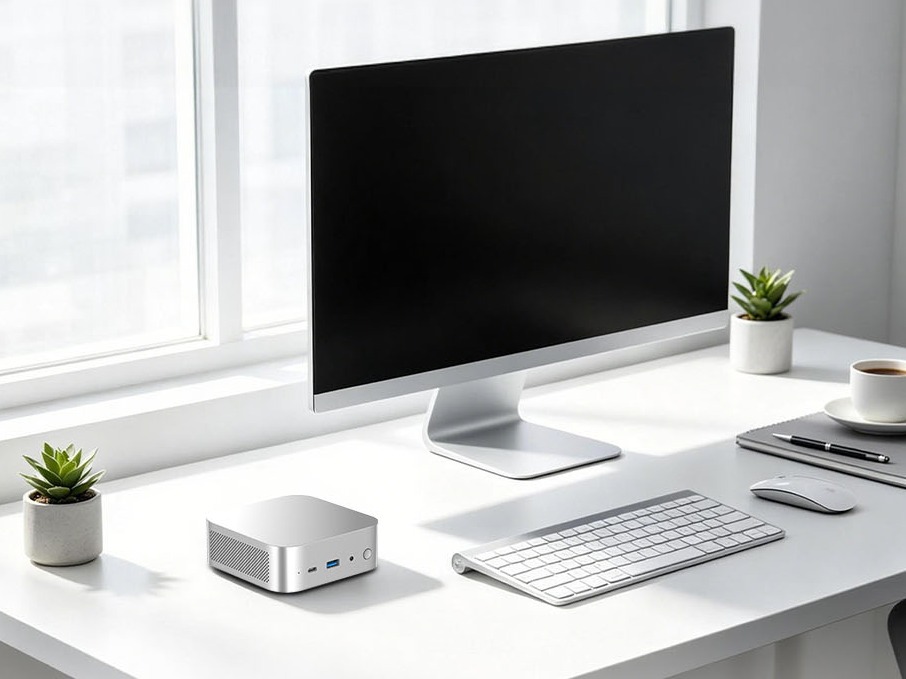
How to Choose an AI Mini PC in 2026: NPU & Memory Buying Guide
A practical guide to choosing an AI mini PC in 2026. Learn how to match NPU TOPS, memory capacity, and bandwidth to your workload, avoid common pitfalls, and pick the right configuration.
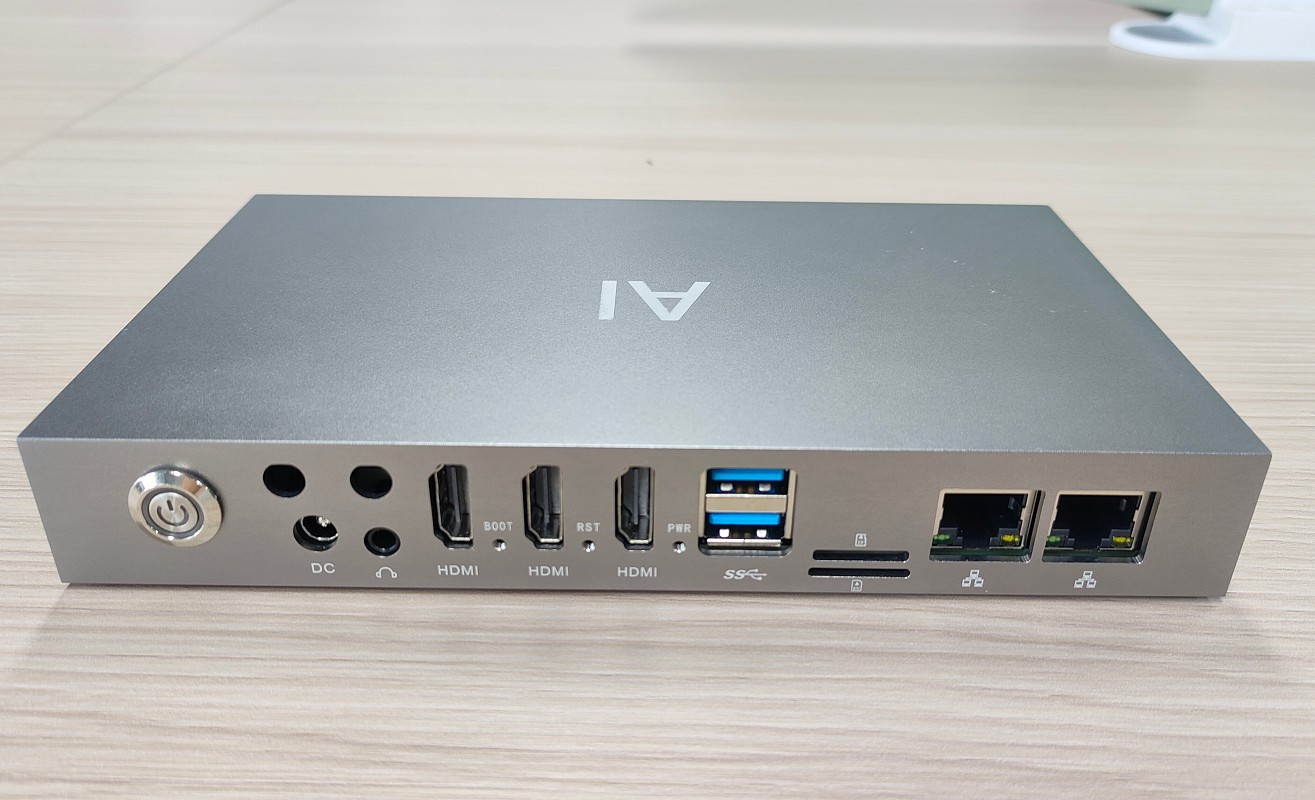
How to Partner with an Edge Box Manufacturer
Complete OEM/ODM process for edge computing boxes – from requirements and factory vetting to sample sign‑off, pilot runs, and bulk delivery. Includes contract tips and IP protection.
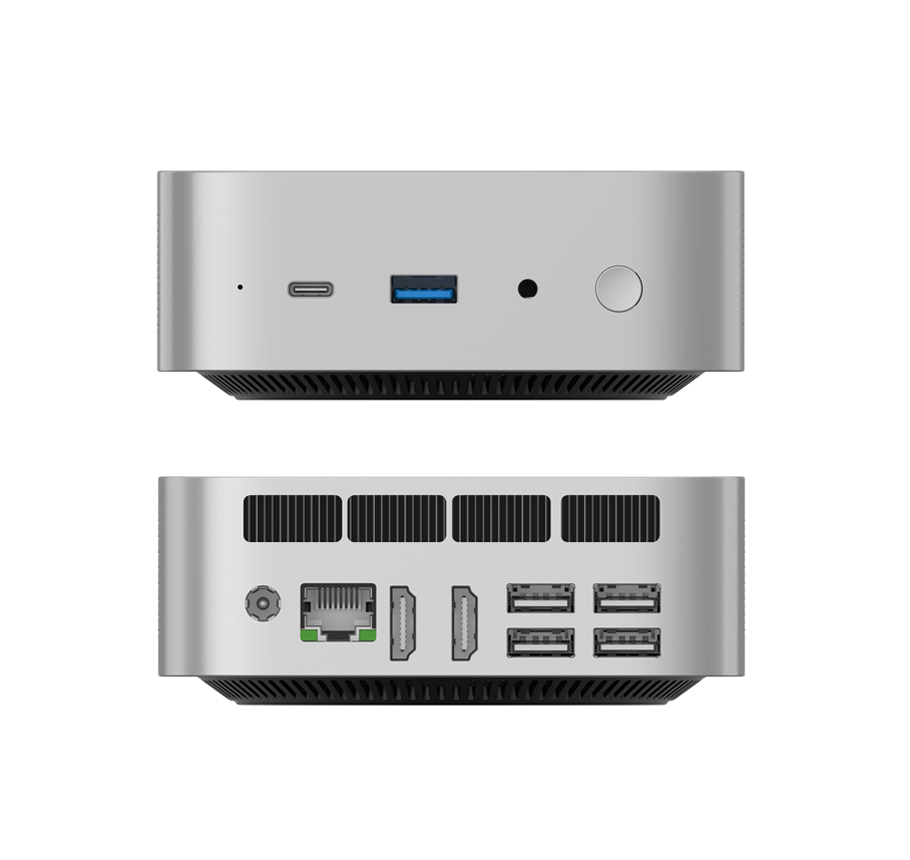
What Is an Edge Box? Compare with PC, AI Mini PC & Edge Server
What is an edge box and how does it differ from a regular PC, AI mini PC, or edge server? This guide explains edge box features, use cases, and selection criteria for AI inference at the edge.
Adreamer

© 2012-2025 Copyright Shenzhen Adreamer Technology Co., Ltd.粤ICP备18115621号-2
Contact Adreamer Today for Your Custom Solution & Quote!
© 2012-2025 Copyright Shenzhen Adreamer Technology Co., Ltd.粤ICP备18115621号-2