
Get in Touch
Your Trusted Manufacturer of Laptops & Tablets
WhatsApp Us Directly
+86 13923410269
Email Us
Get in Touch
Your Trusted Manufacturer of Laptops & Tablets

In 2026, the global tablet market is undergoing a profound transformation. Brands, educational institutions, and retailers across North America, Europe, Southeast Asia, and the Middle East are no longer satisfied with generic white-label products. Instead, they are pursuing deep customization to build true competitive differentiation.
However, customizing tablets for overseas markets is fundamentally different from serving the Chinese domestic market. The certification systems differ, the software ecosystems vary, user habits are distinct, and logistics chains are more complex. Choosing the wrong partner can lead to certification failures or even having your products detained by customs.
Today, Adreamer provides a systematic overview of the entire tablet OEM customization process from a global perspective, helping brands, cross-border e-commerce sellers, and educational institutions efficiently create their own branded smart terminals that meet international standards.
Your target market should dictate your product definition, as market demands vary significantly by region:
| Market | Core Requirements | Key Considerations |
|---|---|---|
| North America | GMS certification, COPPA compliance, FCC/UL | Child privacy protection crucial for education sector |
| European Union | CE/RED certification, RoHS, GDPR compliance | Energy labels, WEEE recycling directives |
| Southeast Asia | 4G/5G connectivity, multi-language support, cost-effectiveness | Heat dissipation optimization for hot, humid environments |
| Middle East | Arabic UI, high-temperature adaptation, halal content | Dust protection, religious content filtering |
| Latin America | Carrier customization, Spanish language, after-sales network | Voltage adaptability, tamper-resistant design |
Clarify Your Product Positioning. Before starting customization, you must clearly answer:
GMS (Google Mobile Services) is essential for international markets. Platform choice is critical:
| Platform | Representative Models | GMS Support | Advantages | Suitable Markets |
|---|---|---|---|---|
| MediaTek | MT8781, MT8395 | Native | Mature ecosystem, low power consumption, great cost-performance | North America, Europe, Southeast Asia |
| Qualcomm | SD660, SD680, SD7c | Native | Strong performance, high brand recognition | North America, high-end markets |
| Rockchip | RK3566, RK3588 | Requires adaptation | Domestic Chinese solution, strong AI compute | Specific industries, specialized projects |
| Unisoc | T616, T820 | Requires adaptation | Integrated 4G/5G, low cost | Southeast Asia, Latin America |
Selection Recommendations:

International users have high expectations for screen quality:
| Customization Item | Entry-Level | Mid-to-High End | Notes |
|---|---|---|---|
| Size | 8-10 inches | 10-12 inches | 10 inches is mainstream for education |
| Resolution | 1280x800 | 1920x1200 / 2K | Users in North America/Europe are sensitive to clarity |
| Brightness | 300-400 nits | 500-600 nits | High brightness required for outdoor use |
| Touch Technology | G+G (Glass-Glass) | Fully Laminated | Reduces reflection |
| Eye Protection | Software blue light filter | Hardware low blue light + flicker-free | Essential for education |
International markets have a strong demand for cellular connectivity:
| Market | Network Standards | Key Frequency Bands |
|---|---|---|
| North America | 4G/5G | Bands 2, 4, 5, 12, 13, 14, 66, 71 |
| Europe | 4G/5G | Bands 1, 3, 7, 8, 20, 28 |
| Southeast Asia | 4G | Bands 1, 3, 5, 7, 8, 40 |
| Middle East | 4G | Bands 3, 7, 8, 20, 28 |
Important: Band selection directly determines whether the product can be used locally. Always confirm with your carrier or distributor.

Overseas markets also highly value product appearance and durability:
| Option | Description | Suitable Scenarios |
|---|---|---|
| Stock Molds | Lower cost, shorter lead time | Cross-border e-commerce, small batches |
| Modified Stock Molds | Change front panel design; no new mold | Brand differentiation |
| New Mold Creation | Unique appearance, high brand recognition | Mid-to-high-end brands, large volumes |
Material Selection:

GMS (Google Mobile Services) is a mandatory certification for Android devices exported overseas. It includes:
| Component | Function | Necessity |
|---|---|---|
| Google Play | App Store | Mandatory |
| Gmail | Email Service | Mandatory |
| YouTube | Video Service | Mandatory |
| Google Maps | Mapping Service | Recommended |
| Chrome | Web Browser | Recommended |
Certification Process:
a. Hardware passes CTS (Compatibility Test Suite).
b. Submit GMS application.
c. Google review process.
d. Pre-install GMS apps.
e. Mass production shipment.
Timeline: 4-8 weeks.
Cost: License fees apply, typically based on shipment volume.
| Market | Languages | Considerations |
|---|---|---|
| North America | English, Spanish | Spanish is important for the Hispanic market |
| Europe | English, French, German, Italian, Spanish, Dutch, etc. | Cover major country languages |
| Southeast Asia | English, Indonesian, Thai, Vietnamese, Malay, etc. | Higher localization is better |
| Middle East | Arabic, English | RTL (Right-to-Left) layout requires adaptation |
Technical Requirements:
| App Type | Description | Notes |
|---|---|---|
| Google Suite | Mandatory GMS requirement | Must be latest version |
| Localized Apps | E.g., local maps, payment | Need licensing authorization |
| Educational Content | E.g., Khan Academy | Confirm content copyrights |
| Office Software | E.g., WPS, Microsoft Office | Optional pre-installation |
| Region | Regulation | Requirements |
|---|---|---|
| EU | GDPR | Explicit consent for data collection; users can delete data |
| USA | COPPA | Parental consent required for children under 13 |
| California (USA) | CCPA | Consumers have right to know, delete, and opt out of data sales |
System-Level Requirements:
| Certification | Full Name | Timeline | Notes |
|---|---|---|---|
| CE | EU Safety & EMC | 4-6 weeks | Mandatory; covers EMC, LVD, RED |
| RED | Radio Equipment Directive | Combined with CE | Mandatory for wireless devices |
| RoHS | Restriction of Hazardous Substances | 2-3 weeks | Environmental mandate |
| REACH | Registration, Evaluation, Authorisation of Chemicals | 2-3 weeks | Chemical substance control |
| ErP | Energy-related Products Directive | 2-3 weeks | Energy labeling |
| Certification | Full Name | Timeline | Notes |
|---|---|---|---|
| FCC | Federal Communications Commission | 4-6 weeks | Mandatory for electromagnetic compliance |
| UL | Underwriters Laboratories | 4-6 weeks | Safety certification; often required by e-commerce platforms |
| IC | Innovation, Science and Economic Development Canada | 4-6 weeks | Canadian wireless certification |
| Market | Certification | Description |
|---|---|---|
| Japan | TELEC, PSE | Radio + Safety |
| South Korea | KC | Integrated certification |
| Australia | RCM | Safety + EMC |
| Saudi Arabia | SASO | Saudi Standards Organization |
Pre-testing: In-house lab pre-testing by the OEM factory.
Optimization: Design modifications based on pre-test results.
Official Testing: Submit to international labs (e.g., TÜV, SGS, UL).
Certification: Obtain certificates, enabling legal product sales.
Timeline: 6-10 weeks (can be shortened by parallel testing for multiple markets).
Battery: Must pass UN38.3 air transport certification.
Power Adapter: Must comply with local plug standards (US, EU, UK, AU).
Packaging Materials: Must meet local environmental requirements (e.g., EU ban on single-use plastics).
| Item | Description |
|---|---|
| Retail Box | Multi-language manual, brand design |
| Inner Cushion | Eco-friendly materials, shockproof design |
| Labels | Comply with local regulations (e.g., CE mark, WEEE symbol) |
| Barcode | EAN or UPC code |

Shipping: Choose sea freight or air freight based on lead time requirements.
Tariffs: Understand the tariff policies of the destination country (e.g., EU tariffs, US Section 301 tariffs).
Customs Documents: Commercial invoice, packing list, certification certificates, certificate of origin.
Small-batch pilot production (1000-2000 units) is a critical step for international orders:
| Stage | Activities | Timeline |
|---|---|---|
| Material Preparation | Stock core components in advance | 2-3 weeks |
| SMT | Motherboard production | 1 week |
| Assembly & Testing | Final assembly + functional testing | 1 week |
| Burn-in Testing | 24-48 hours run-in | 1-2 days |
| Packaging & Shipment | Multi-language packaging, logistics | 2-3 days |
Localized Support: Establish service centers or partner repair networks in destination countries.
Spare Parts Supply: Continue supplying spare parts for 3-5 years after production ends.
Technical Support: Multi-language technical support teams.
| Customization Type | Hardware Changes | Software Changes | GMS Certification | Intl. Certification | Total Timeline |
|---|---|---|---|---|---|
| Pure White-Label | None | Logo + Pre-installs | Already in place | Already in place | 3-4 weeks |
| Stock Mold Modification | Port changes | System trimming + multi-language | 4-6 weeks | 6-8 weeks (parallel) | 10-12 weeks |
| Semi-Custom | New mainboard | Deep customization | 4-6 weeks | 6-8 weeks (parallel) | 12-14 weeks |
| Full Custom | New molds | Full customization | 4-6 weeks | 6-8 weeks (parallel) | 14-18 weeks |
| Item | Cost Range (USD) | Notes |
|---|---|---|
| Mold/Tooling Fee | 5,000 - 20,000 | Plastic mold $5k-10k; metal mold $10k-20k |
| Engineering Fee | 1,500 - 4,000 | Schematic, PCB layout, structural design |
| Software Customization Fee | 500 - 2,000 | System trimming, launcher, multi-language |
| GMS Certification Fee | 5,000 - 15,000 | Varies by shipment volume |
| Intl. Certification Fee | 10,000 - 20,000 | For CE + FCC + RoHS etc. |
| Dimension | Key Assessment Points |
|---|---|
| Export Experience | Have they exported before? Which markets are they familiar with? |
| GMS Capability | Experience with GMS certification? What is their pass rate? |
| Multi-Language Support | Can they adapt for RTL languages like Arabic? |
| Certification Support | Do they have pre-testing capabilities? Which labs do they partner with? |
| Supply Chain | Can they source components meeting international standards? |
| After-Sales Service | Do they offer overseas after-sales support options? |

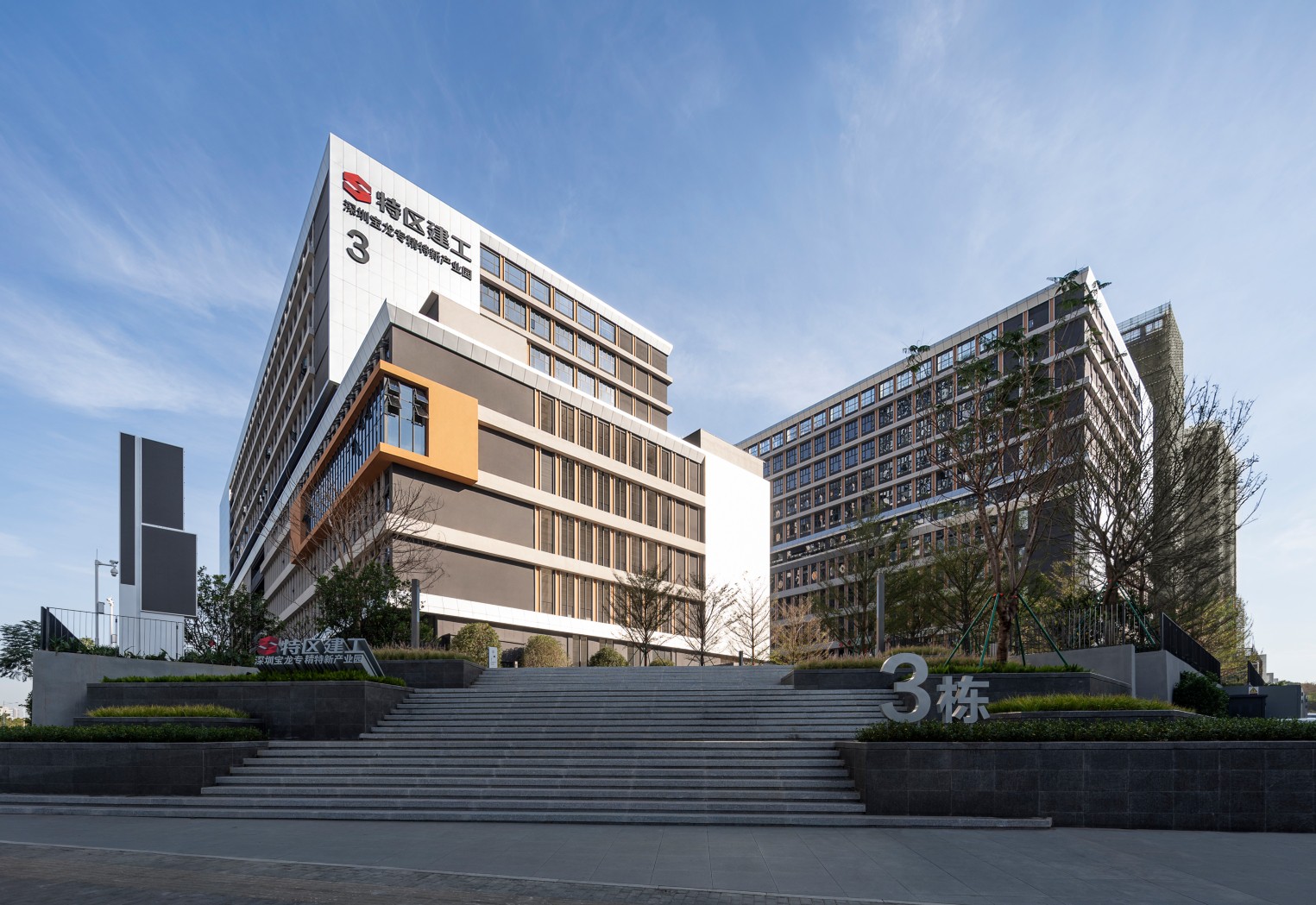
Founded in 2012, Adreamer is a recognized National High-Tech Enterprise and a Guangdong Provincial 'Specialized, Refined, Distinctive, and Innovative' SME. They have provided tablet OEM customization services for brands in over 150 countries and regions worldwide:
OEM tablet customization for overseas markets adds a critical 'internationalization' layer compared to domestic projects. Certifications are more complex, languages are more diverse, logistics are longer, and after-sales support is more challenging. Selecting a partner with proven international experience, expertise in global certifications, and robust multi-language capabilities is the key to a successful go-to-market strategy.
Industry-Specific Solutions
Latest Blog
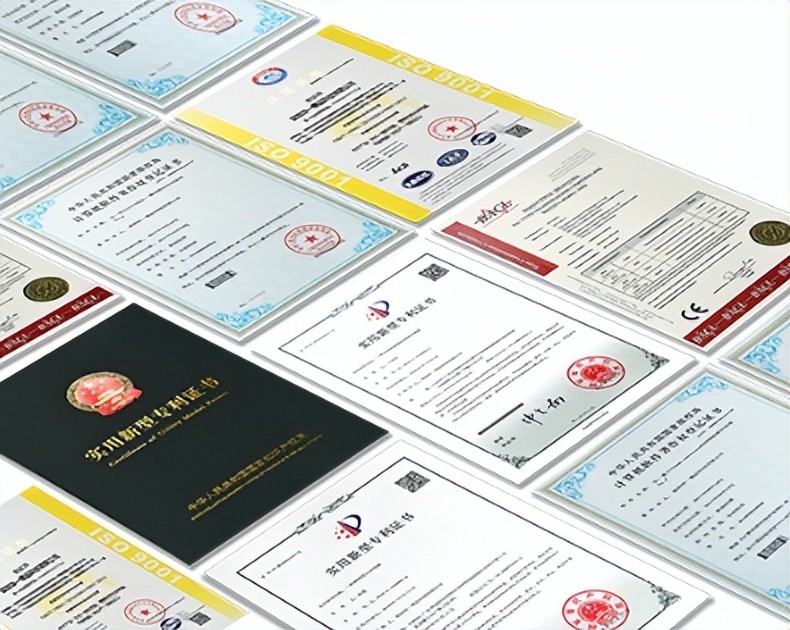
AI Compute Box Bulk Procurement: 3C, CE, FCC Certification Guide
Learn the key certification requirements for bulk buying AI compute boxes. Covers 3C, CE, FCC compliance, common pitfalls, and how to verify certificates to avoid legal risks.

RK3588 vs N100: Which Is Better for Local LLM Deployment?
Compare RK3588 and N100 for running local LLMs. See real-world token speeds, power, memory, software support, and which chip fits your AI workload.

Edge AI Box vs Cloud Server:Which Is Cheaper Long-Term?
A detailed TCO comparison of edge AI boxes and cloud servers. Covers hardware, bandwidth, power, and O&M costs, with break-even analysis and a decision checklist.
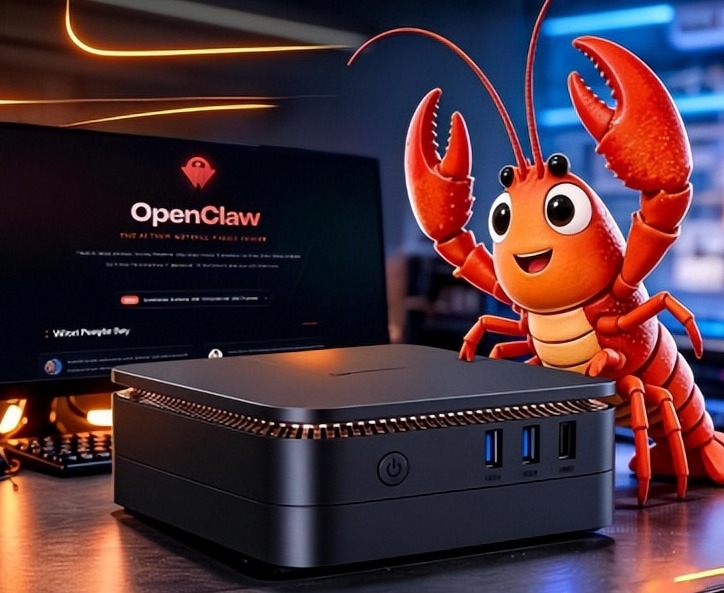
What AI Mini PC Do You Need for Private Local LLM Deployment?
Learn what AI mini PC specs you need for private deployment of local LLMs: memory, NPU, storage, offline capability, and configuration recommendations for 7B–70B models.
Adreamer

© 2012-2025 Copyright Shenzhen Adreamer Technology Co., Ltd.粤ICP备18115621号-2
Contact Adreamer Today for Your Custom Solution & Quote!
© 2012-2025 Copyright Shenzhen Adreamer Technology Co., Ltd.粤ICP备18115621号-2