
Get in Touch
Your Trusted Manufacturer of Laptops & Tablets
WhatsApp Us Directly
+86 13923410269
Email Us
Get in Touch
Your Trusted Manufacturer of Laptops & Tablets

When consumers worldwide buy a laptop, they might not realize that one in every three devices is manufactured entirely by Chinese companies, with over half of all laptops undergoing their core manufacturing processes in China. This statistic represents a vast, complex, and highly mature manufacturing ecosystem. As the world's largest laptop producer, China's industry is not dominated by a single entity but built on a multi-layered, multidimensional manufacturing system. Answering 'Who is China's largest laptop manufacturer?' requires a deep dive into brands, manufacturing, supply chains, and the broader innovation landscape.
From a brand shipment perspective, Lenovo Group is unequivocally China's largest and a global-leading laptop manufacturer. According to data from IDC and Gartner, Lenovo has consistently held the top spot in global laptop market share for years. In 2024, Lenovo commanded approximately 23.5% of the global market, shipping over 50 million units annually, with about 70% of the manufacturing completed within China.
Lenovo's production strategy blends global and local approaches. Its key Chinese manufacturing bases are in Hefei, Wuhan, and Shenzhen. Hefei-based LCFC (Lenovo PC Factory and Innovation Center) is its global largest R&D and manufacturing hub, with an annual capacity exceeding 30 million units—translating to nearly one laptop produced per second. LCFC not only makes Lenovo-branded products but also provides ODM services for other brands, showcasing the versatile role and flexible capacity of Chinese manufacturers.
Lenovo's strength also lies in its technology innovation and full-industry-chain integration. It has launched industry-leading products in niche markets like foldable screens, dual-screen devices, and ultraportables. Its Yoga series pioneered the 360-degree convertible 2-in-1 form factor, ThinkPad continues to dominate the commercial sector, and the Legion series holds significant share in gaming laptops.
If measured by 'actual manufacturing' rather than 'brand ownership,' China's true manufacturing giants are the critical ODM (Original Design Manufacturing) players operating behind the scenes. Factories in mainland China run by companies like Quanta Computer, Compal Electronics, and Wistron produce the vast majority of the world's laptops.
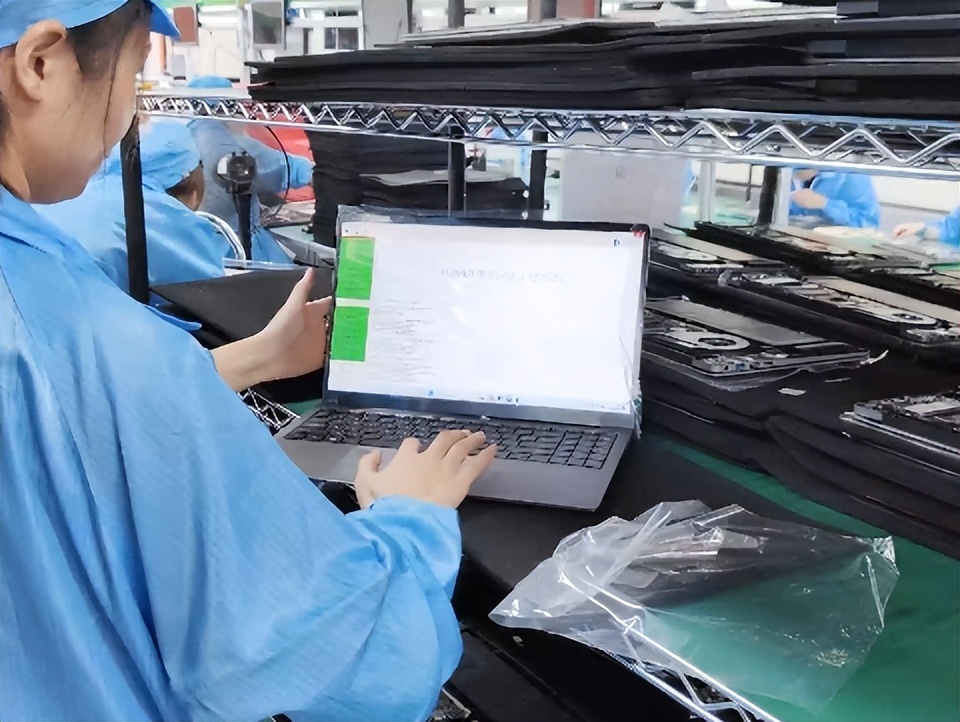
These ODMs represent the depth and resilience of China's laptop manufacturing. They operate highly automated production lines, possess mature supply chain systems, and utilize efficient production management. For instance, a Quanta production line in Shanghai can assemble up to 300 laptops per hour, with a supply chain system ensuring the precise delivery of thousands of components.
Beyond Lenovo, homegrown Chinese brands Huawei and Xiaomi are rapidly growing in the laptop market, leveraging technology and brand influence from their mobile businesses.
Since entering the market in 2016, Huawei's MateBook series has carved a niche in the premium segment with features like edge-to-edge displays, Multi-Screen Collaboration, and exceptional battery life. By 2023, Huawei held nearly 10% of the Chinese laptop market and about 15% of the thin-and-light segment. Its hybrid manufacturing model combines in-house R&D with partners like BYD Electronic.
Xiaomi laptops continue the brand's 'value for money' strategy, rapidly expanding in the mid-to-low-end market with its RedmiBook series. Operating on a full ODM model with partners like Inventec and BYD Electronic, Xiaomi leverages economies of scale and ecosystem synergy to build strong recognition among younger users.
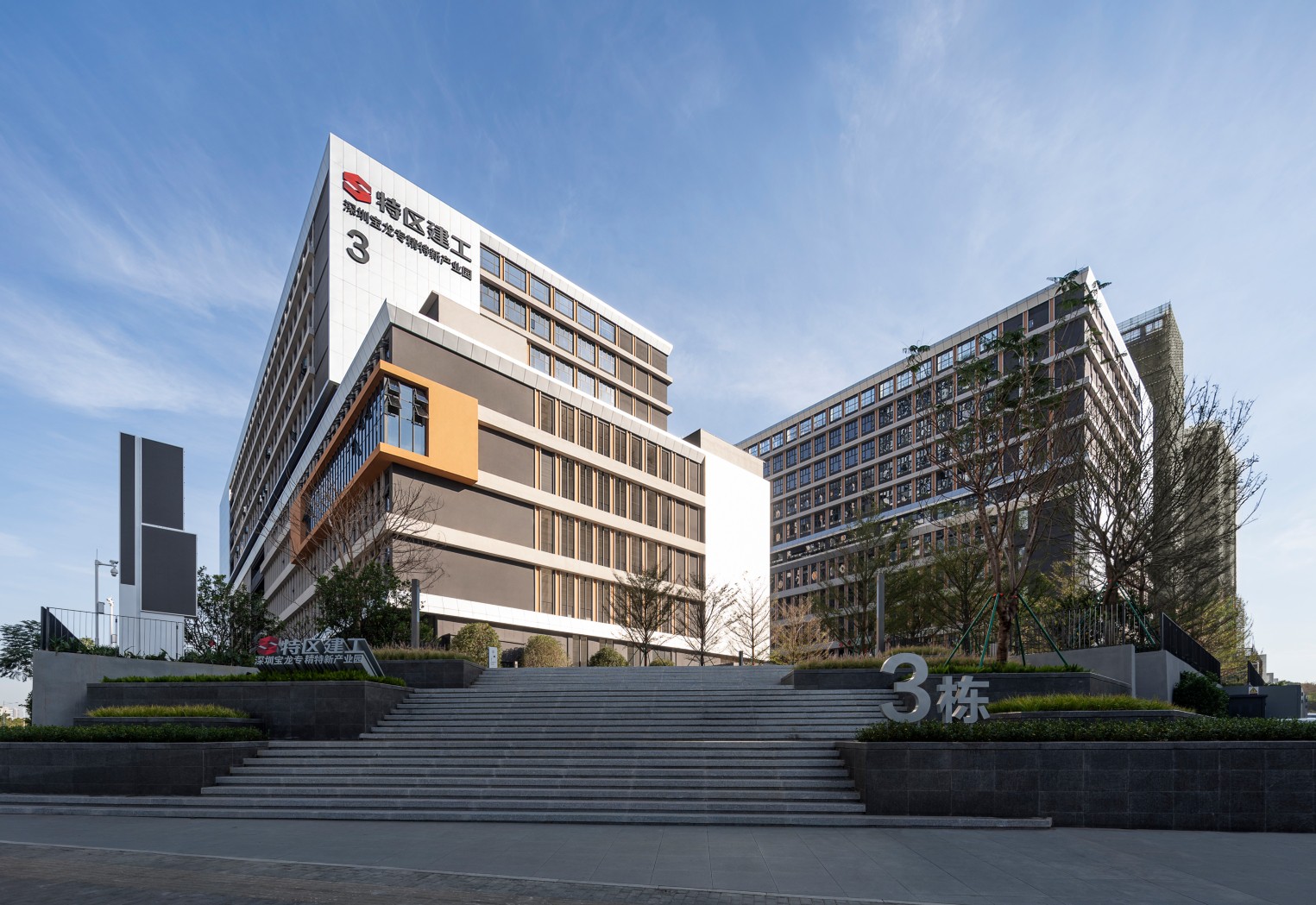
Meanwhile, a new force in Chinese manufacturing centered on customization and flexible manufacturing is also on the rise. For example, Adreamer, based in Longgang, Shenzhen, has grown into a modern enterprise integrating R&D, design, and manufacturing of smart hardware since its establishment in 2012. The company owns an industrial park covering over 6,000 square meters and operates five subsidiaries in Shenzhen, Dongguan, and Hong Kong. It adreamer in customized OEM services for laptops and has been recognized as a “National High-Tech Enterprise” and a “Guangdong Province Specialized, Refined, Distinctive, and Innovative Enterprise.” Leveraging its self-developed technologies and flexible manufacturing system, Adreamer’s products and solutions have reached more than 150 countries and regions worldwide, providing cost-effective and high-quality services for numerous brands and operators.

It's noteworthy that both Huawei and Xiaomi are exploring beyond the traditional Wintel (Windows-Intel) architecture, launching laptops based on ARM processors and domestic operating systems. While facing ecosystem adaptation challenges, this represents a crucial move towards greater technological autonomy.
China's laptop manufacturing exhibits distinct geographical clustering, forming complementary ecosystems in the Yangtze River Delta, Western Region, and Pearl River Delta.
This geographical gradient creates an efficient and resilient structure: the Delta focuses on high-end R&D, the West on volume, and the Pearl River Delta on innovation and speed.
China's industry is shifting from 'scale expansion' to 'quality upgrading,' driven by technological innovation.
China's dominance is built on key strengths:
Challenges include geopolitical pressures driving supply chain diversification, rising environmental compliance costs, and increasing labor costs. In response, Chinese manufacturers are transitioning towards smart manufacturing and service-oriented manufacturing, using AI and industrial internet platforms to enhance efficiency and adding value through design and supply chain management services.
So, who is China's largest laptop manufacturer? By brand, it's Lenovo. By pure manufacturing volume, it's ODMs like Quanta. But from the broadest perspective, the largest 'manufacturer' is China's integrated laptop industry ecosystem itself.
This ecosystem encompasses the complete chain from raw materials to logistics; it integrates multinational brands, local champions, and thousands of suppliers; and it spans the geography from the Yangtze River Delta to Western China.
China's 'largest' status reflects not just leading capacity and market share, but a comprehensive advantage in industrial chain completeness, manufacturing resilience, and upgrade potential. In the global landscape, China has evolved beyond being the 'world's factory' into the integrated global center for laptop R&D, intelligent manufacturing, supply chain management, and innovation.
Industry-Specific Solutions
Latest Blog
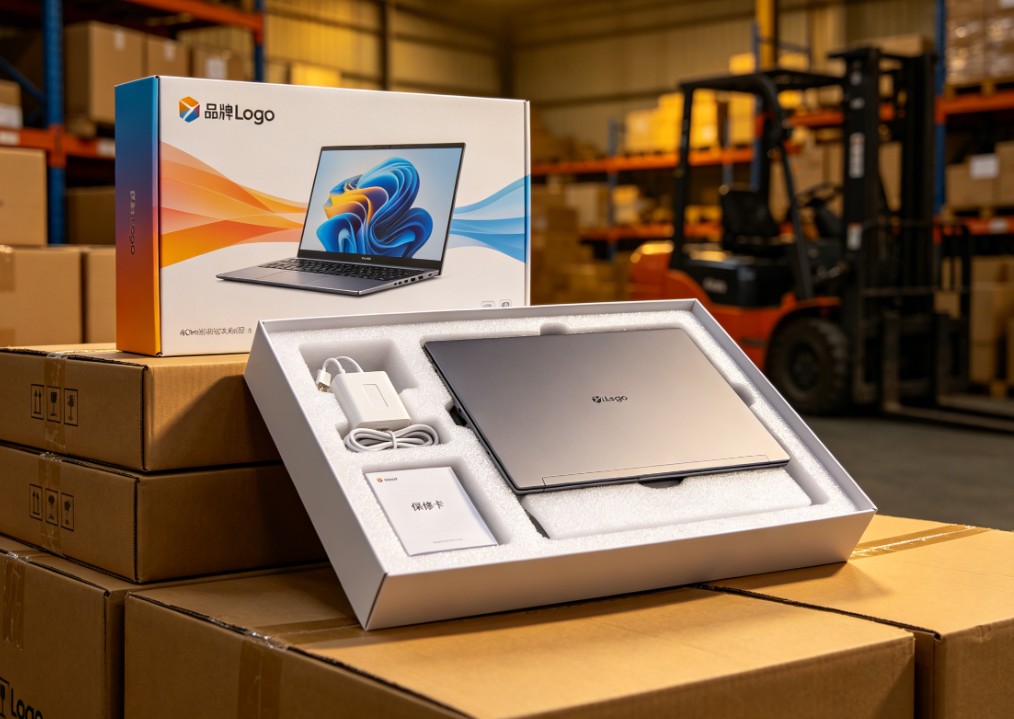
White-Label vs Neutral Laptops: Worth Buying? Pros, Cons & Guide
Should you buy white-label or neutral laptops in bulk? Learn the real pros and cons, quality-control risks, TCO calculation, sample inspection, and after-sales planning.

Celeron N5095 vs N100 vs N305: White-Label Laptop CPU Guide
Celeron N5095 or Intel N100/N305? Compare architecture, iGPU, memory support, power limits, and real-world performance to choose the right white-label laptop.

White-Label Laptops Explained: What They Are & Should You Buy?
Learn what a white-label laptop is, how it differs from knockoffs, barebones, and private-label models. Covers pros, cons, risks, and a practical buying guide for budget buyers.

AMD Ryzen AI Max 395 Mini PC: Worth It? Pros, Cons & Benchmarks
Is the Ryzen AI Max 395 mini PC worth the price? See real-world LLM inference, gaming, power, noise, and pros/cons to decide if this 128GB AI workstation fits your needs.
Adreamer

© 2012-2025 Copyright Shenzhen Adreamer Technology Co., Ltd.粤ICP备18115621号-2
Contact Adreamer Today for Your Custom Solution & Quote!
© 2012-2025 Copyright Shenzhen Adreamer Technology Co., Ltd.粤ICP备18115621号-2