
Get in Touch
Your Trusted Manufacturer of Laptops & Tablets

WhatsApp Us Directly
+86 13923410269
Email Us
Get in Touch
Your Trusted Manufacturer of Laptops & Tablets

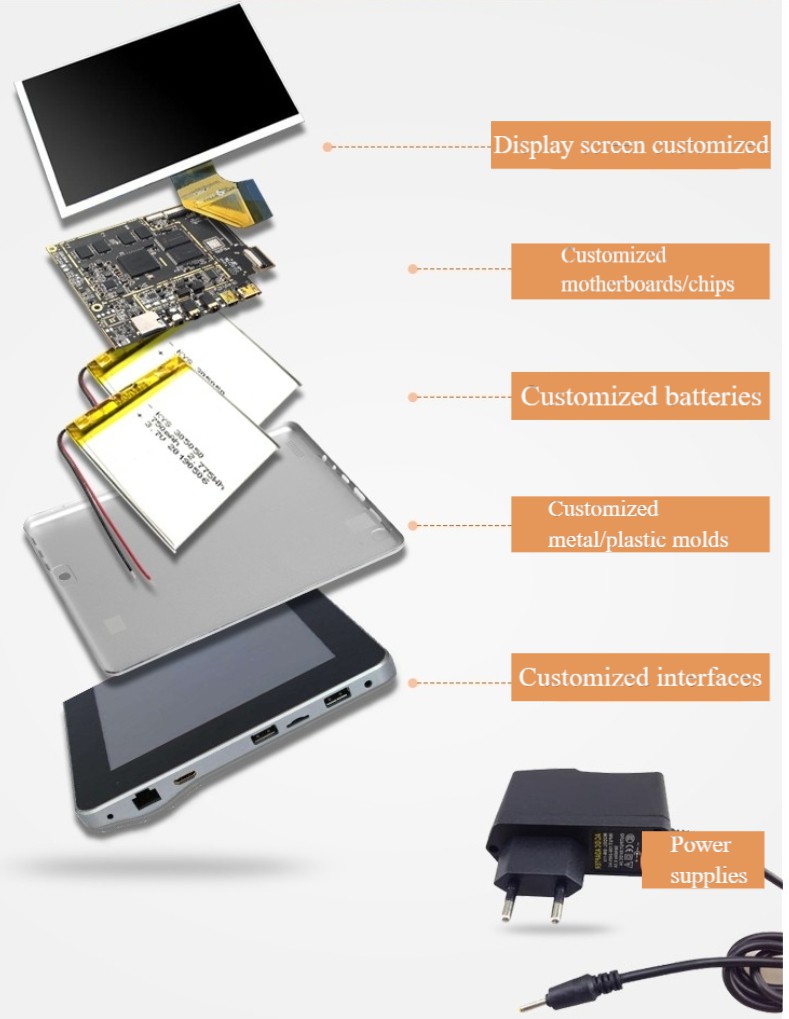
When your brand needs a fully custom tablet—with unique design, hardware, and software—your first critical challenge is finding the right manufacturing partner. This isn't as simple as searching ‘tablet manufacturer’ The right partner ensures on-time delivery, quality, and cost control. The wrong choice can lead to delays, poor quality, disputes, and even project failure.
The market includes everything from small design studios to massive factories, all promising ‘customization.’But what ‘customization’ truly means varies widely. Let's look beyond basic directories to understand the tablet manufacturing landscape and provide a practical framework for finding and evaluating partners.
ODM : Often called private labeling. You define the product requirements and features. The factory provides a complete solution: design, hardware development, software, and production. You select from existing platforms and customize elements like logo, colors, and pre-loaded apps. This is the most common and practical choice for small-to-medium brands and companies needing specialized devices.
OBM stands for Original Brand Manufacturer: a factory that owns its own brand, designs, manufactures, and sells its products. You are simply itsAA distributor.
Key Takeaway: For most businesses, ODM is the most realistic path. It lets you launch a proven, production-ready product without a huge hardware team. The goal is to achieve meaningful differentiation within the ODM model.
Manufacturers serve different market segments.

Use this phased approach to assess candidates.

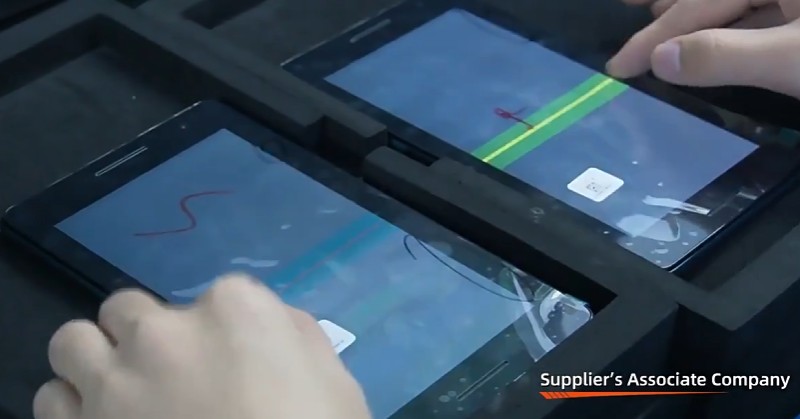
Choosing a tablet manufacturer is not a simple purchase—it's the start of a strategic partnership that will define your product's success. The best partner isn't necessarily the biggest or cheapest, but the one that best understands your goals, communicates effectively, and is committed to a trustworthy, long-term relationship.
Industry-Specific Solutions
Latest Blog
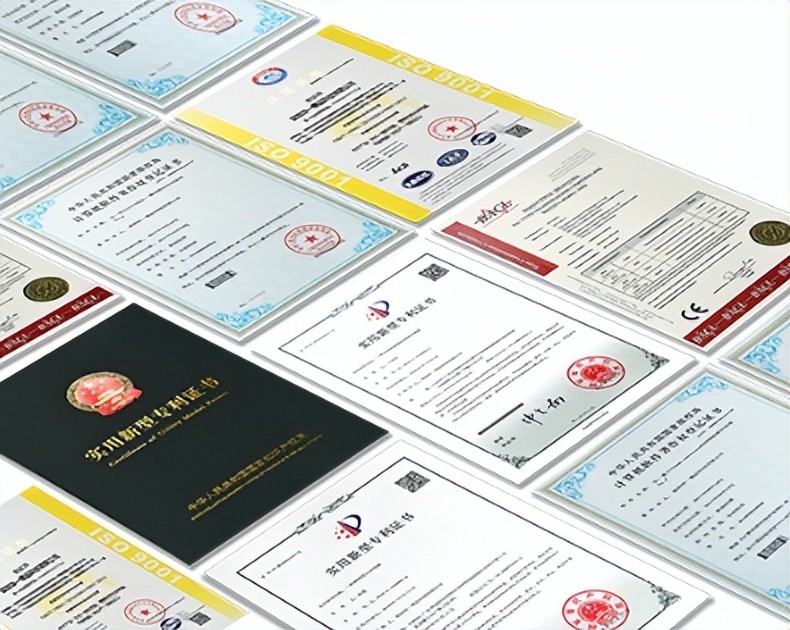
AI Compute Box Bulk Procurement: 3C, CE, FCC Certification Guide
Learn the key certification requirements for bulk buying AI compute boxes. Covers 3C, CE, FCC compliance, common pitfalls, and how to verify certificates to avoid legal risks.

RK3588 vs N100: Which Is Better for Local LLM Deployment?
Compare RK3588 and N100 for running local LLMs. See real-world token speeds, power, memory, software support, and which chip fits your AI workload.

Edge AI Box vs Cloud Server:Which Is Cheaper Long-Term?
A detailed TCO comparison of edge AI boxes and cloud servers. Covers hardware, bandwidth, power, and O&M costs, with break-even analysis and a decision checklist.
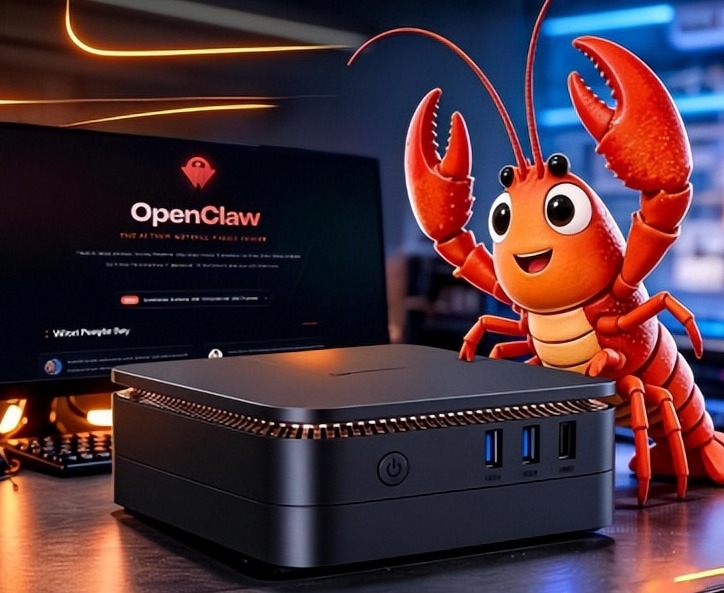
What AI Mini PC Do You Need for Private Local LLM Deployment?
Learn what AI mini PC specs you need for private deployment of local LLMs: memory, NPU, storage, offline capability, and configuration recommendations for 7B–70B models.
Adreamer

© 2012-2025 Copyright Shenzhen Adreamer Technology Co., Ltd.粤ICP备18115621号-2
Contact Adreamer Today for Your Custom Solution & Quote!
© 2012-2025 Copyright Shenzhen Adreamer Technology Co., Ltd.粤ICP备18115621号-2