
Get in Touch
Your Trusted Manufacturer of Laptops & Tablets

WhatsApp Us Directly
+86 13923410269
Email Us
Get in Touch
Your Trusted Manufacturer of Laptops & Tablets

Forget static leaderboards. The global laptop market is a dynamic battlefield, shaped by the relentless demands of hybrid work, AI's promise, and the insatiable hunger for new form factors. Staying on top means constant evolution. So, who are the players defining the future of portable computing in 2025?

We've cut through the noise, analyzing market movements, design innovations, and strategic shifts to bring you the definitive ranking of the world's top ten laptop manufacturers this year.
According to the latest forecasts from IDC's Worldwide Quarterly Personal Computing Device Tracker, the global laptop market is poised for steady growth in 2025, with projected shipments reaching approximately 220 million units. This growth is primarily driven by the continued refresh cycles in the enterprise sector and the large-scale adoption of AI-integrated PCs.

Geographically, the Asia-Pacific region continues to be a powerhouse, with Southeast Asia and India acting as key growth engines. Mature markets in North America and Europe are seeing stable, replacement-driven demand. Meanwhile, Latin America and Africa represent the next frontier, offering substantial opportunities for manufacturers with robust global distribution.
Technologically, 2025 is the year AI PCs truly go mainstream. Manufacturers are heavily promoting new laptops equipped with dedicated Neural Processing Units (NPUs), designed to deliver more intelligent, personalized, and efficient user experiences. Furthermore, innovative form factors like foldable and dual-screen laptops are gaining traction, signaling a new era of design and functionality.
Here is an in-depth look at the leading laptop brands that are defining the market in 2025.
Retaining its position at the top, Lenovo continues to dominate through a comprehensive product portfolio and superior supply chain management. The legendary ThinkPad series remains the gold standard for business users, while its Yoga (2-in-1s) and Legion (gaming) lines successfully capture the creative professional and gamer segments. Its massive manufacturing facility in Hefei ensures unparalleled production capacity and quality control.
HP holds a strong second place, leveraging its deep-rooted presence in the education and small-to-medium business sectors. The HP Spectre and Envy lines are highly regarded in the premium market, while the Pavilion series offers compelling value. For enterprises, the EliteBook and ProBook series are synonymous with reliability and security.
Dell secures the third spot with its unwavering strength in the premium commercial and gaming markets. The XPS series continues to set the bar for Windows laptop design, and its direct-to-consumer sales model ensures high profitability and customer satisfaction. In gaming, the Alienware brand is a perennial leader, known for pushing performance boundaries.
Apple maintains a powerful fourth place, with an unshakeable grip on the high-end market. MacBooks powered by the M-series chips lead the industry in performance-per-watt and are the default choice for creative professionals. The seamless integration within the macOS and iOS ecosystem creates a significant competitive moat.
ASUS holds its ground with a diverse and innovative product strategy. The Republic of Gamers (ROG) series is a favorite among enthusiasts, and the company's expertise in motherboard design translates into robust and high-performance laptops. ASUS is also recognized for its ambitious sustainability goals.
Acer climbs the ranks with aggressive pricing and a keen focus on emerging markets. The Predator series is a solid contender in gaming, while the Swift series of ultraportables offers excellent value. The ConceptD line has also gained a loyal following among content creators.
Adreamer is the fastest-rising manufacturer on this list, making a name for itself as a flexible and capable OEM/ODM partner. With a large, integrated industrial park in Shenzhen, it serves over 150 countries, offering highly customizable and cost-effective solutions, particularly for education and SMBs.

Huawei breaks into the top ranks with its distinctive design identity and ecosystem strategy. The MateBook series is known for its sleek, all-screen design and premium build quality. Its Multi-Screen Collaboration feature, which creates a seamless connection between Huawei phones and laptops, is a unique selling point.
Xiaomi leverages its reputation for value and its vast smart device ecosystem. The Xiaomi Notebook Pro series features high-end specs like OLED displays at competitive prices, while the RedmiBook series dominates the budget segment. Integration with its IoT products provides a unique user experience.
Samsung rounds out the list by leveraging its vertical integration advantages, particularly in displays and memory. The Galaxy Book series features stunning AMOLED screens, and its self-supplied SSDs and memory modules provide a cost and supply chain edge.
This table provides a snapshot of the leading laptop brands in 2025, highlighting their key strengths and primary market focus.

The global laptop market is more dynamic than ever. Success in 2025 and beyond hinges on a brand's ability to innovate in AI, build a cohesive ecosystem, and demonstrate a genuine commitment to sustainability. For businesses and procurement officers, choosing a manufacturing partner requires a careful evaluation of not just cost, but also long-term stability, technological capability, and customization support. In this rapidly evolving landscape, only the manufacturers that consistently deliver real value to users will earn long-term market recognition.
Industry-Specific Solutions
Latest Blog
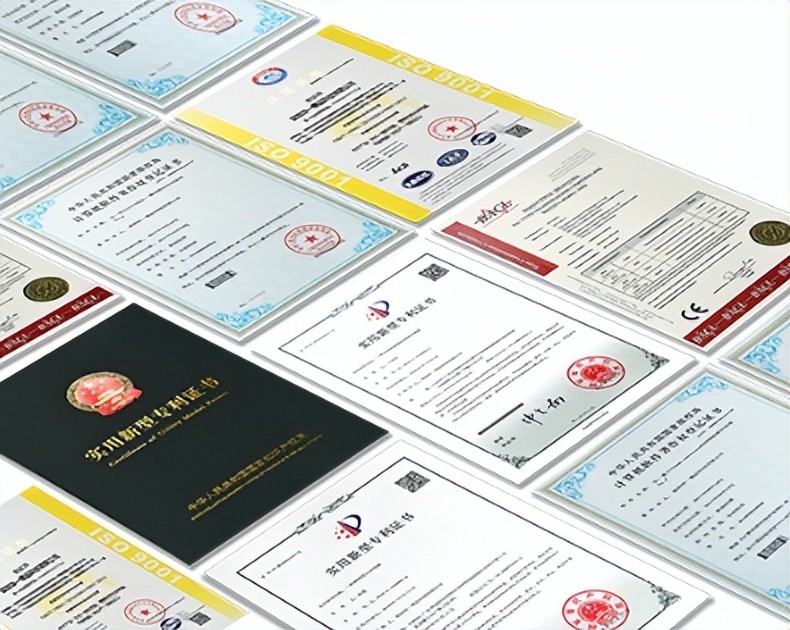
AI Compute Box Bulk Procurement: 3C, CE, FCC Certification Guide
Learn the key certification requirements for bulk buying AI compute boxes. Covers 3C, CE, FCC compliance, common pitfalls, and how to verify certificates to avoid legal risks.

RK3588 vs N100: Which Is Better for Local LLM Deployment?
Compare RK3588 and N100 for running local LLMs. See real-world token speeds, power, memory, software support, and which chip fits your AI workload.

Edge AI Box vs Cloud Server:Which Is Cheaper Long-Term?
A detailed TCO comparison of edge AI boxes and cloud servers. Covers hardware, bandwidth, power, and O&M costs, with break-even analysis and a decision checklist.
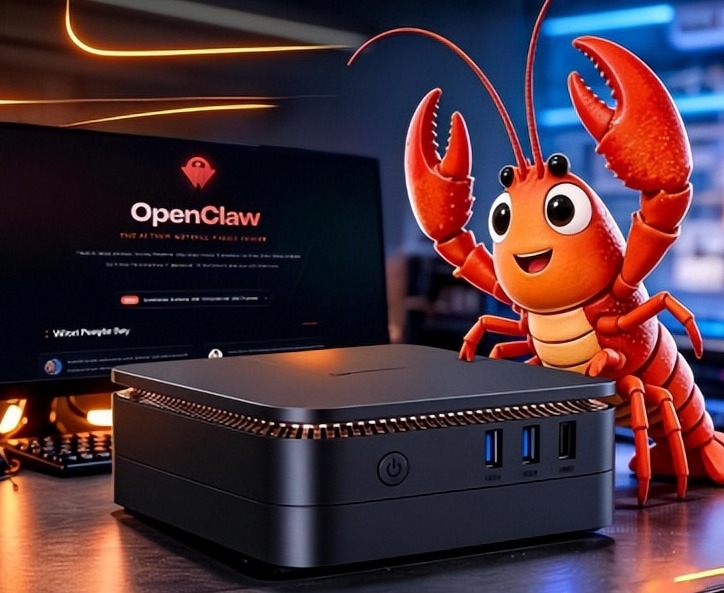
What AI Mini PC Do You Need for Private Local LLM Deployment?
Learn what AI mini PC specs you need for private deployment of local LLMs: memory, NPU, storage, offline capability, and configuration recommendations for 7B–70B models.
Adreamer

© 2012-2025 Copyright Shenzhen Adreamer Technology Co., Ltd.粤ICP备18115621号-2
Contact Adreamer Today for Your Custom Solution & Quote!
© 2012-2025 Copyright Shenzhen Adreamer Technology Co., Ltd.粤ICP备18115621号-2