
Get in Touch
Your Trusted Manufacturer of Laptops & Tablets

WhatsApp Us Directly
+86 13923410269
Email Us
Get in Touch
Your Trusted Manufacturer of Laptops & Tablets

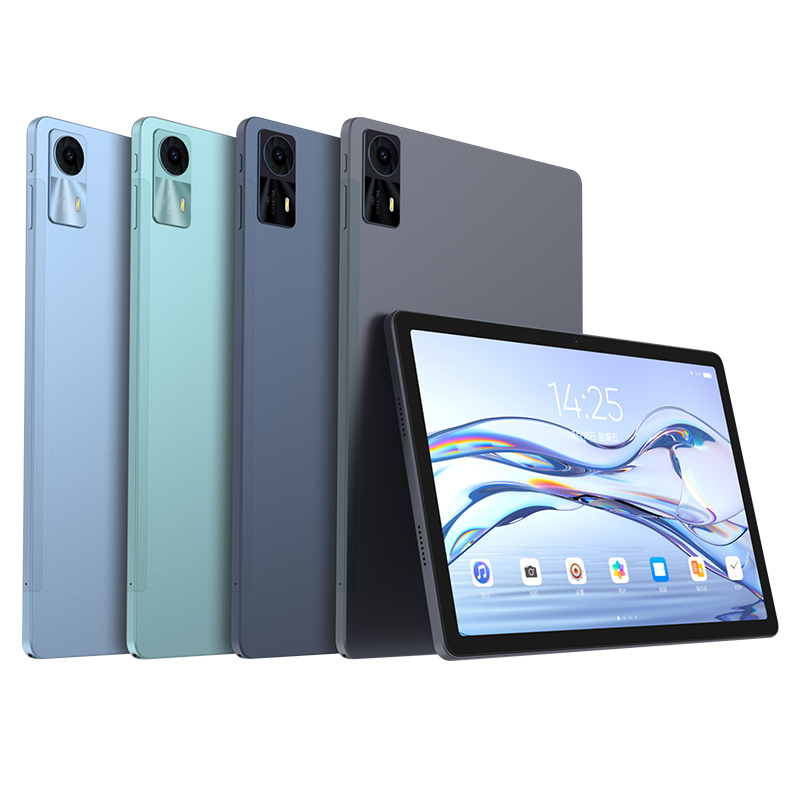
Chinese tablet manufacturers are rising at a remarkable pace, transforming from followers and imitators into global innovators and market leaders.
The Chinese tablet manufacturing industry began around 2010, initially focusing on OEM production and low-end devices. After more than a decade of development, the sector has achieved a qualitative leap. Today, China is not only the world's largest tablet production base but also a major source of product innovation and technological R&D. A well-developed supply chain, strong technical talent, and continuous innovation have driven the industry’s rapid upgrading.
According to the latest data from IDC, Chinese tablet manufacturers accounted for 38% of the global market share in 2023, nearly doubling from five years ago. This achievement is the result of continuous investment in technological innovation, quality control, and global operations by companies like Adreamer. The industry is shifting from OEM manufacturing to independent innovation, and from Competing on price to delivering value.
Initiatives like the 'Made in China 2025' strategy and national digital economy policies have created a favorable environment for smart hardware companies. Government support, including recognition as National High-Tech Enterprises and special funding for specialized and innovative SMEs, has helped manufacturers increase R&D investment and enhance core competitiveness. Additionally, the Belt and Road Initiative has opened up broader opportunities for global expansion.
Founded in 2012 and headquartered in Longgang District, Shenzhen, Adreamer operates a production base spanning over 6,000 square meters. After 12 years of development, the company has established five subsidiaries in Hong Kong, Shenzhen, and Dongguan, forming a complete system for R&D, manufacturing, and sales. With more than 500 employees, over 30% of them are R&D technicians.
As a National High-Tech Enterprise and a Guangdong Provincial Specialized and Innovative SME, Adreamer has obtained ISO9001 quality management system certification, ISO14001 environmental management system certification, and international certifications including CE, FCC, and ROHS. Its products also comply with EU REACH environmental standards.
The company invests over 8% of its annual sales revenue into R&D and has established a three-level innovation system:

Adreamer’s kidspad series caters to the educational tablet market with child-friendly innovations:
kidspad 10 Key Features:
The Leo14 Dual-Screen Portable Monitor showcases Adreamer’s innovation in mobile office solutions:
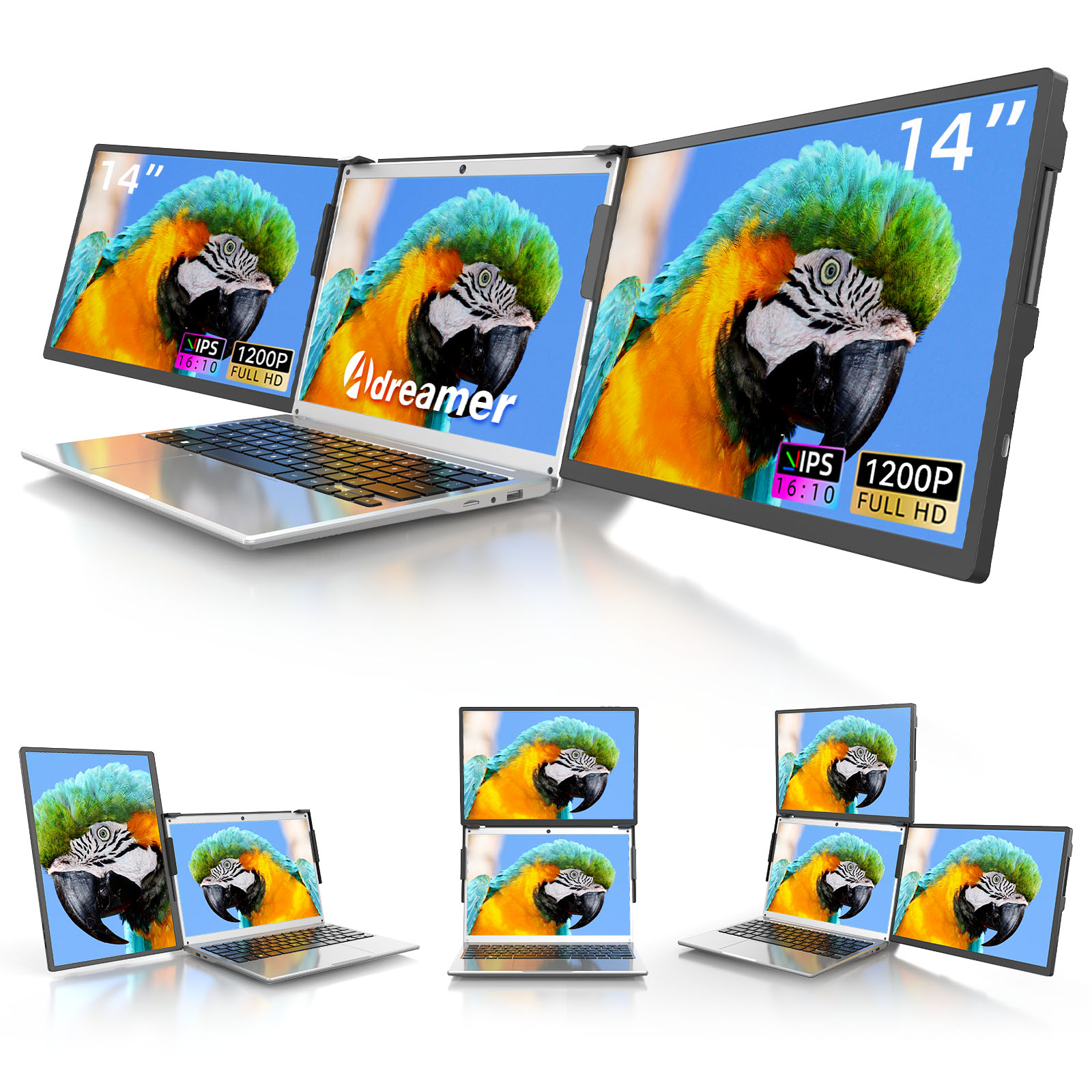
Technical Features:
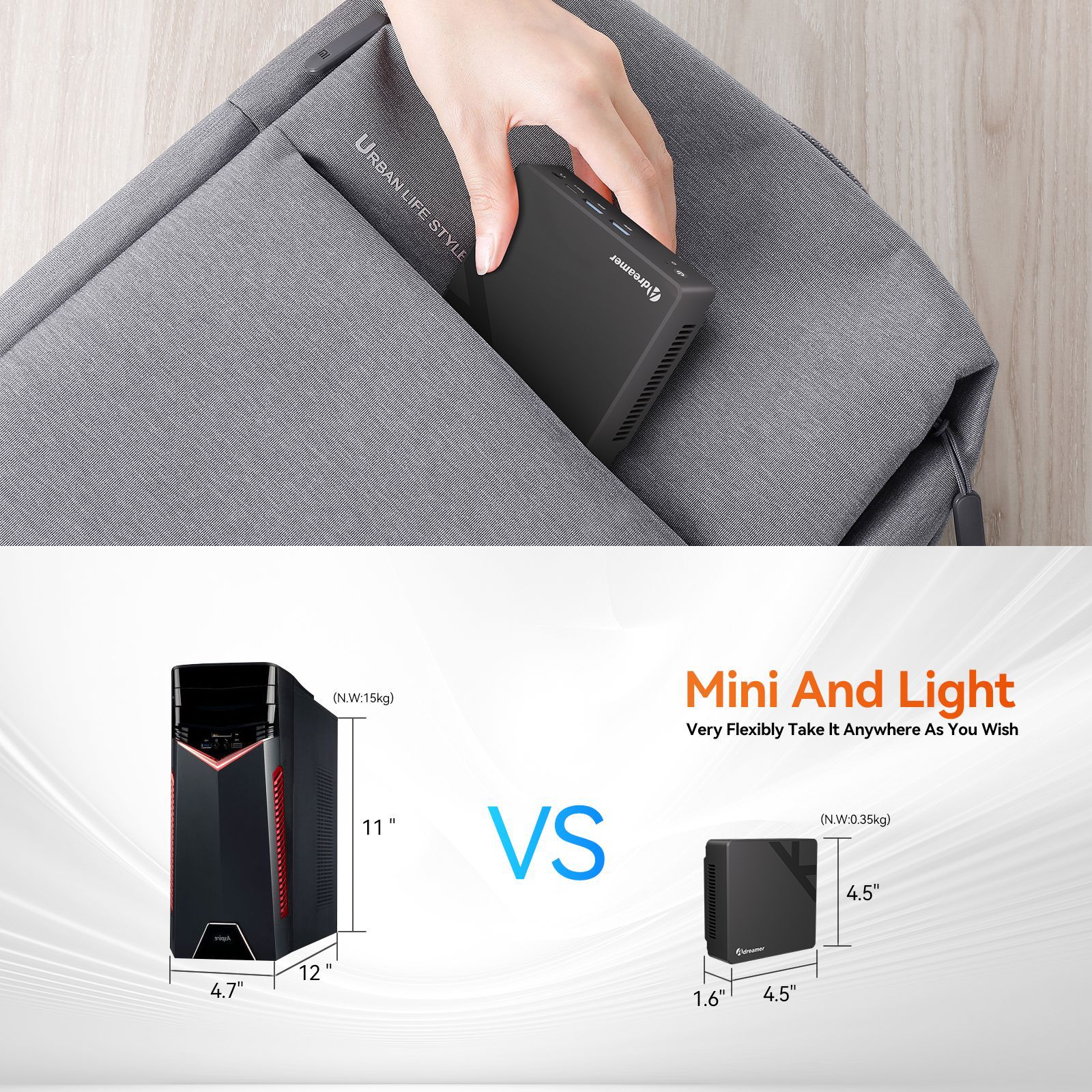
The PB05 Mini PC demonstrates Adreamer’s strength in high-performance computing:
Product Advantages:
The Longgang production base includes 7 automated lines:
Four-tier quality assurance:
Monthly capacity of 100,000 units supports:
The company has established worldwide:
Multiple cooperation methods:
Adreamer owns:
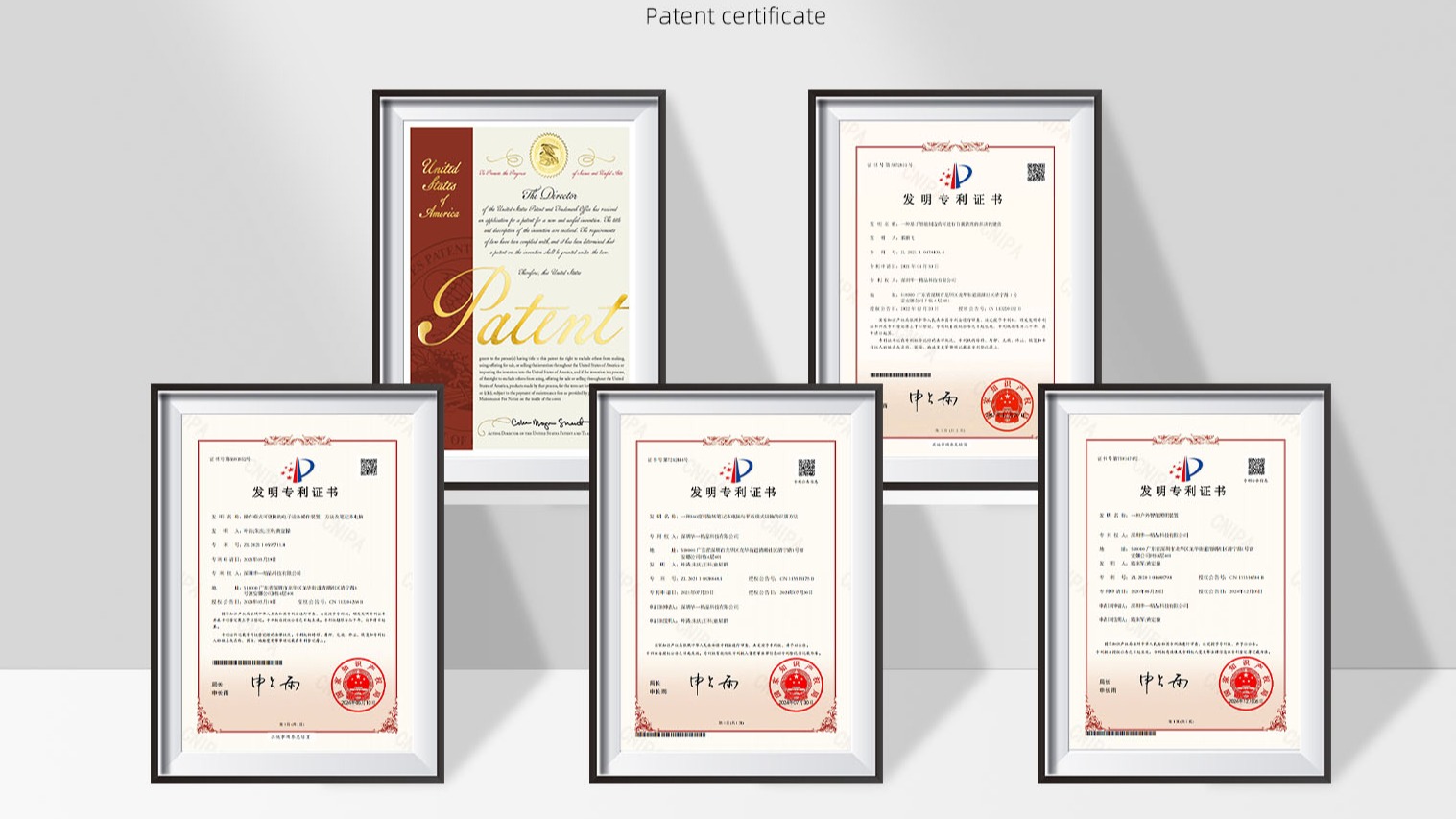
Adreamer’s growth mirrors the rise of China’s smart hardware industry. From OEM manufacturing to independent innovation, and from domestic focus to global presence, Chinese companies like Adreamer are demonstrating their capabilities through technological advancement, strict quality control, and keen market insight. With high-quality products and a strong reputation, Adreamer is contributing to the global recognition of “Made in China.”
Industry-Specific Solutions
Latest Blog

Edge AI Box vs Cloud Server:Which Is Cheaper Long-Term?
A detailed TCO comparison of edge AI boxes and cloud servers. Covers hardware, bandwidth, power, and O&M costs, with break-even analysis and a decision checklist.
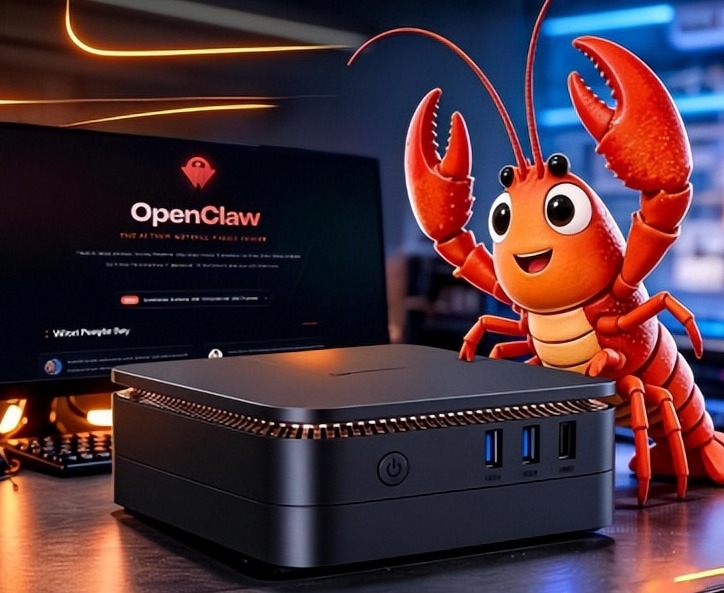
What AI Mini PC Do You Need for Private Local LLM Deployment?
Learn what AI mini PC specs you need for private deployment of local LLMs: memory, NPU, storage, offline capability, and configuration recommendations for 7B–70B models.

How to Choose an Edge Computing Box Manufacturer: ODM/OEM Guide
Learn how to evaluate edge computing box manufacturers. Compare source factories, ODM/OEM models, MOQ, certifications, and customization to find the right partner.

How to Choose an AI Mini PC in 2026: NPU & Memory Buying Guide
A practical guide to choosing an AI mini PC in 2026. Learn how to match NPU TOPS, memory capacity, and bandwidth to your workload, avoid common pitfalls, and pick the right configuration.
Adreamer

© 2012-2025 Copyright Shenzhen Adreamer Technology Co., Ltd.粤ICP备18115621号-2
Contact Adreamer Today for Your Custom Solution & Quote!
© 2012-2025 Copyright Shenzhen Adreamer Technology Co., Ltd.粤ICP备18115621号-2